Dog Tags to Boardrooms: Seven Veterans Who Came Home with Nothing and Built Everything
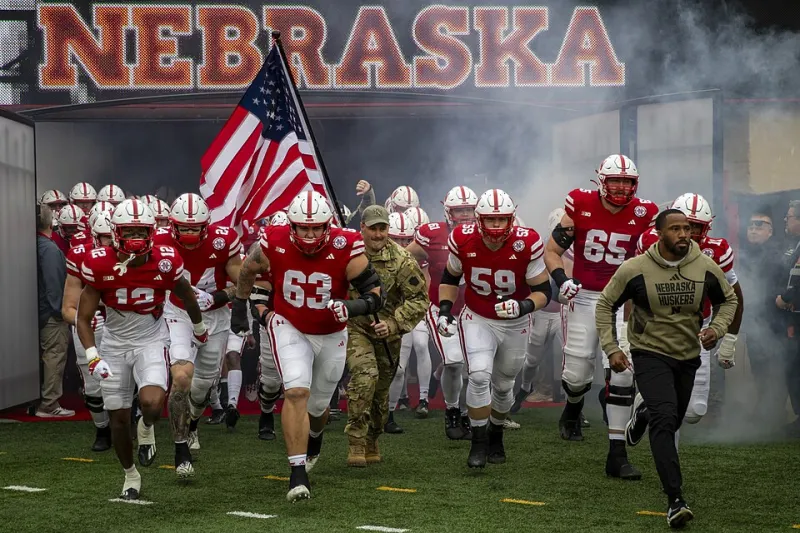
Photo: Staff Sgt. Lisa Crawford, Public domain, via Wikimedia Commons
War doesn't hand out diplomas. It doesn't offer networking happy hours or letter-of-recommendation workshops. What it offers — if you survive and pay attention — is something harder to quantify and arguably more valuable: an education in pressure, in leadership, in making decisions with incomplete information and everything on the line. For the seven men on this list, that education turned out to be better preparation for building a business than anything a classroom could have offered.
They came home broke. Some came home broken. All of them came home with an idea they couldn't shake.
1. Dave Thomas — Wendy's
Before Dave Thomas was the friendly, cardigan-wearing face of Wendy's commercials, he was a U.S. Army cook who'd enlisted at seventeen and spent his service feeding soldiers in Germany. He had no high school diploma — he'd dropped out to work — and no family money. What he had was an instinct for operations and an obsession with quality that he'd developed in the Army's unforgiving kitchens.
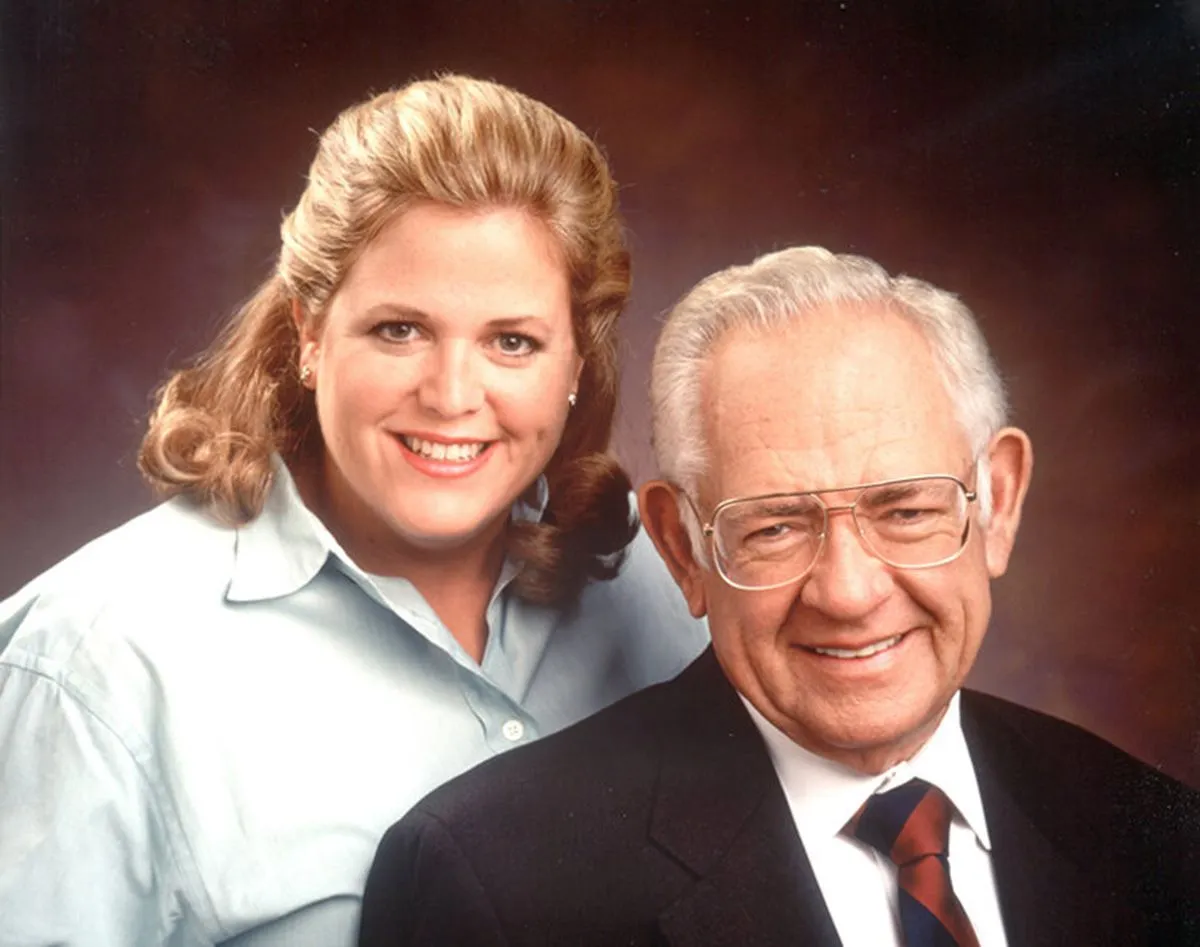 Photo: Dave Thomas, via people.com
When he returned stateside, he worked his way through the restaurant industry, eventually helping rescue four failing Kentucky Fried Chicken franchises before striking out on his own. He opened the first Wendy's in Columbus, Ohio, in 1969, naming it after his daughter. By the time of his death in 2002, there were more than 6,000 locations worldwide. He eventually earned his GED at age 61, just to prove it could be done.
2. Fred Smith — FedEx
Fred Smith flew 200 combat missions over Vietnam as a Marine Corps pilot. When he came home, he had a Yale degree — and a term paper he'd written as an undergraduate about the idea of overnight package delivery, which his professor had reportedly given a mediocre grade. Smith didn't let the grade discourage him.
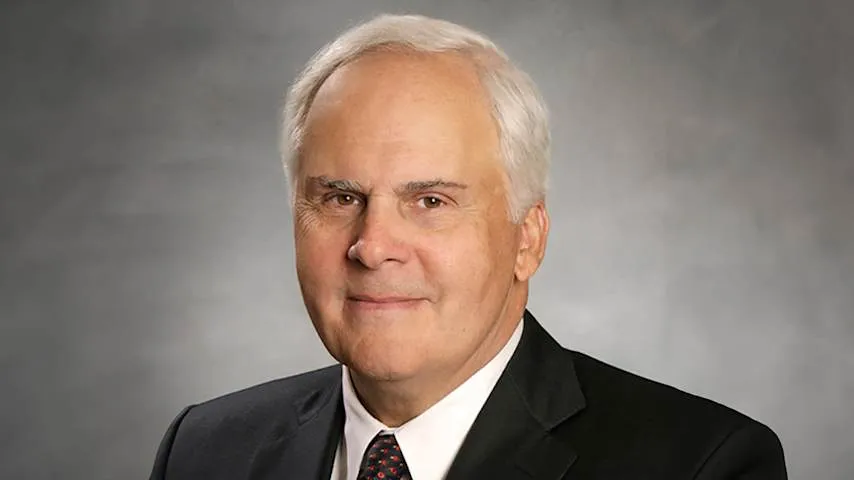 Photo: Fred Smith, via res.cloudinary.com
He founded Federal Express in 1971 with $4 million inherited from his father and $80 million raised from investors. The early years were brutal — the company nearly collapsed multiple times, and Smith famously flew to Las Vegas with the company's last $5,000 and turned it into $27,000 at the blackjack table to cover fuel costs for the following week. The gamble held. So did the company. FedEx now moves more than 15 million shipments a day.
3. Bob Evans — Bob Evans Restaurants
Bob Evans served in the Navy during World War II, working in the galley — which, in the Navy, means feeding hundreds of men three times a day under conditions that would make most restaurant kitchens look leisurely. He came home to Ohio, bought a small farm, and started making sausage the way his family always had.
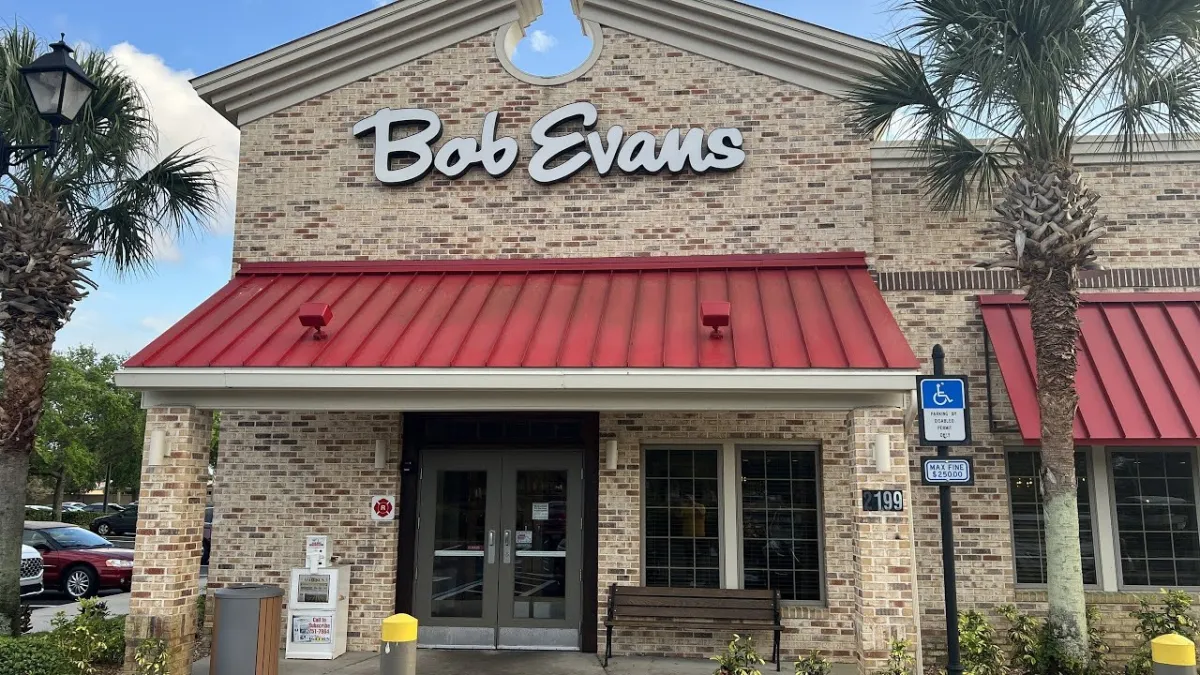 Photo: Bob Evans, via i.ytimg.com
He opened a diner in 1948 to sell the sausage alongside a proper breakfast, and the thing took off. Bob Evans Farms eventually became a publicly traded company with hundreds of restaurants across the Midwest and South and a grocery product line that's in supermarkets from coast to coast. Evans credited his Navy years with teaching him the logistics of feeding people at scale — the foundation of everything he built.
4. Joe Coulombe — Trader Joe's
Joe Coulombe served in the Air Force before attending Stanford on the GI Bill — one of the great underappreciated engines of American entrepreneurship. After graduating, he spent years running a small chain of convenience stores that was getting crushed by 7-Eleven's expansion. Instead of competing on the same terms, he pivoted.
In 1967, he rebranded his stores as Trader Joe's, aiming at a customer nobody else was serving: the educated, adventurous, budget-conscious shopper who wanted interesting food at honest prices. The tiki-themed decor, the Hawaiian shirts on staff, the private-label products — all of it was a deliberate break from convention. The Air Force had taught Coulombe to think about logistics, supply chains, and efficiency. Stanford had given him a framework. The combination produced one of the most beloved grocery chains in the country.
5. Robert W. Woodruff — Coca-Cola's Global Architect
Woodruff served in World War I and came home to a management job in the truck business before his father's friends installed him as president of Coca-Cola in 1923. What followed was one of the most audacious global expansions in corporate history.
Woodruff's military experience shaped his understanding of logistics and distribution in ways that proved decisive. During World War II, he famously promised that every American soldier overseas would have access to a Coca-Cola for a nickel, regardless of what it cost the company. The Army helped build bottling plants in theaters of war across the globe. When the soldiers came home, they brought a taste for Coke with them — and so did the populations of the countries where they'd been stationed. Woodruff turned a regional soft drink into a planetary phenomenon.
6. Gordon Segal — Crate & Barrel
Gordon Segal served in the Army before attending Tulane, where he met his wife Carole. The two of them founded Crate & Barrel in 1962 with $17,000 in savings and a rented space in a former elevator factory in Chicago's Old Town neighborhood. They had no retail experience. They had no design background. What they had was a trip to Europe, where they'd seen simple, beautiful housewares being sold at prices Americans could actually afford.
Segal's military discipline — the attention to detail, the operational precision, the ability to execute under pressure — showed up in the way he built the business. The stores were meticulous. The sourcing was relentless. Crate & Barrel grew into a national chain that reshaped how Americans thought about furnishing a home.
7. H. Wayne Huizenga — Blockbuster, AutoNation, Waste Management
Huizenga served in the Army Reserve and came home to Fort Lauderdale with a single garbage truck and a route he'd bought with borrowed money. He built Waste Management into one of the largest waste-disposal companies in the country, then sold it and did the same thing with Blockbuster Video, then with AutoNation. He is the only person in American history to have founded three separate Fortune 500 companies.
Huizenga's military background instilled a systems-thinking approach that he applied to every industry he entered. He wasn't an innovator in the traditional sense — he didn't invent garbage collection or video rental or car dealerships. What he did was look at fragmented, inefficient industries and apply the kind of disciplined, scalable thinking that the military runs on. The results were extraordinary every single time.
The Thread That Connects Them
These seven men came from different wars, different branches, different backgrounds. What connects them isn't a business model or an industry or a particular kind of luck. It's a set of habits — forged under conditions most business school professors have never experienced — that turned out to translate with startling directness into building things that last.
Leadership under uncertainty. Operational discipline. The ability to motivate people who have every reason to quit. The willingness to make a call when the information is incomplete and the stakes are real.
Nobody teaches that in a classroom. Some people learn it in a war. And a few of those people come home and build something the rest of us use every single day.