The Cowboy in the Courtroom: How a Wyoming Grocery Boy Became the Lawyer Nobody Could Beat

There's a version of the American success story where the hero arrives polished — Ivy League pedigree, tailored suit, firm handshake. Gerry Spence was not that version. He showed up in a fringed buckskin jacket, talked like a man who'd spent more time around cattle than case law, and spent the early part of his career in a state most American lawyers couldn't find on a map without squinting. And yet, by the time he finally stepped back from active trial work, he had gone decades without losing a single criminal case — a record so staggering that even the legal establishment that once dismissed him had to sit down and reckon with it.
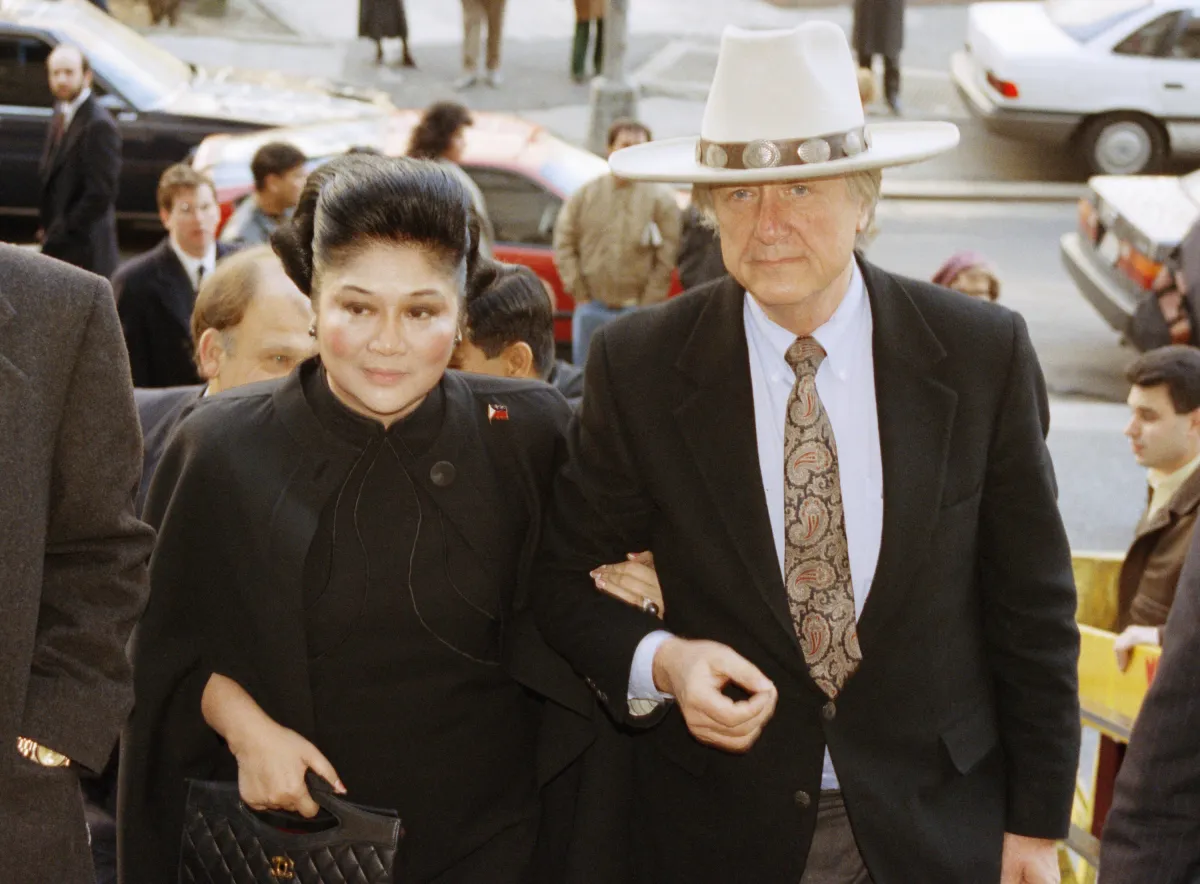 Photo: Gerry Spence, via static.independent.co.uk
This is the story of how being the wrong guy in the wrong room turned out to be the whole point.
Bags, Boxes, and a Very Long Road to the Bar
Gerry Spence was born in 1929 in Laramie, Wyoming — a place that, in those years, was about as far from the corridors of American power as you could get without leaving the country. His family didn't have money. He worked as a grocery boy, stocking shelves and hauling bags, learning early that the world wasn't organized around people like him. He wasn't connected. He wasn't from anywhere that mattered, at least not by the metrics that legal culture tends to care about.
 Photo: Laramie, Wyoming, via res.cloudinary.com
He did manage to get himself through the University of Wyoming College of Law — not Harvard, not Yale, not the kind of institution that opens doors with a name alone. He graduated in 1952 and hung out a shingle in small-town Wyoming, taking the cases nobody else wanted, in front of juries made up of farmers and ranchers and working people who had never set foot in a marble-floored courthouse in their lives.
For a long stretch, he was just a guy doing his job in the high plains. That period of relative obscurity, it turns out, was his greatest education.
The Jacket and What It Meant
The fringed buckskin jacket became something of a cultural shorthand for Spence — a way for opponents and commentators to file him away as a character, a regional curiosity, a man playing dress-up in a serious profession. What they missed was that the jacket wasn't a costume. It was a philosophy.
Spence had figured out something that took most lawyers their entire careers to even glimpse: juries don't trust performance. They trust people. And the more a lawyer tries to project authority and expertise, the more ordinary people in the jury box tend to quietly disconnect. Spence walked into courtrooms looking like himself — genuinely, unmistakably himself — and jurors responded to that in ways that polished litigators simply couldn't replicate, no matter how hard they tried.
His plain-spoken Wyoming cadence wasn't a liability. It was a tuning fork. When Spence talked, juries felt like they were hearing from someone who actually lived in the same world they did, who understood what it felt like to be outgunned by money and power and institutional weight. He didn't talk down to them. He talked with them.
Going Up Against Goliaths — and Winning
The cases that made Spence's reputation weren't small ones. In 1979, he represented the estate of Karen Silkwood — the nuclear plant worker whose suspicious death had become one of the most charged corporate accountability stories in American history — and won a $10.5 million verdict against Kerr-McGee, one of the most powerful energy companies in the country. The case went to the Supreme Court. Spence won there too.
He successfully defended Randy Weaver after the Ruby Ridge standoff — a case so politically radioactive that most attorneys would have run the other direction. He represented Imelda Marcos in a federal criminal trial in New York. He took on the government, corporations, and institutions that most lawyers considered untouchable, and he kept winning.
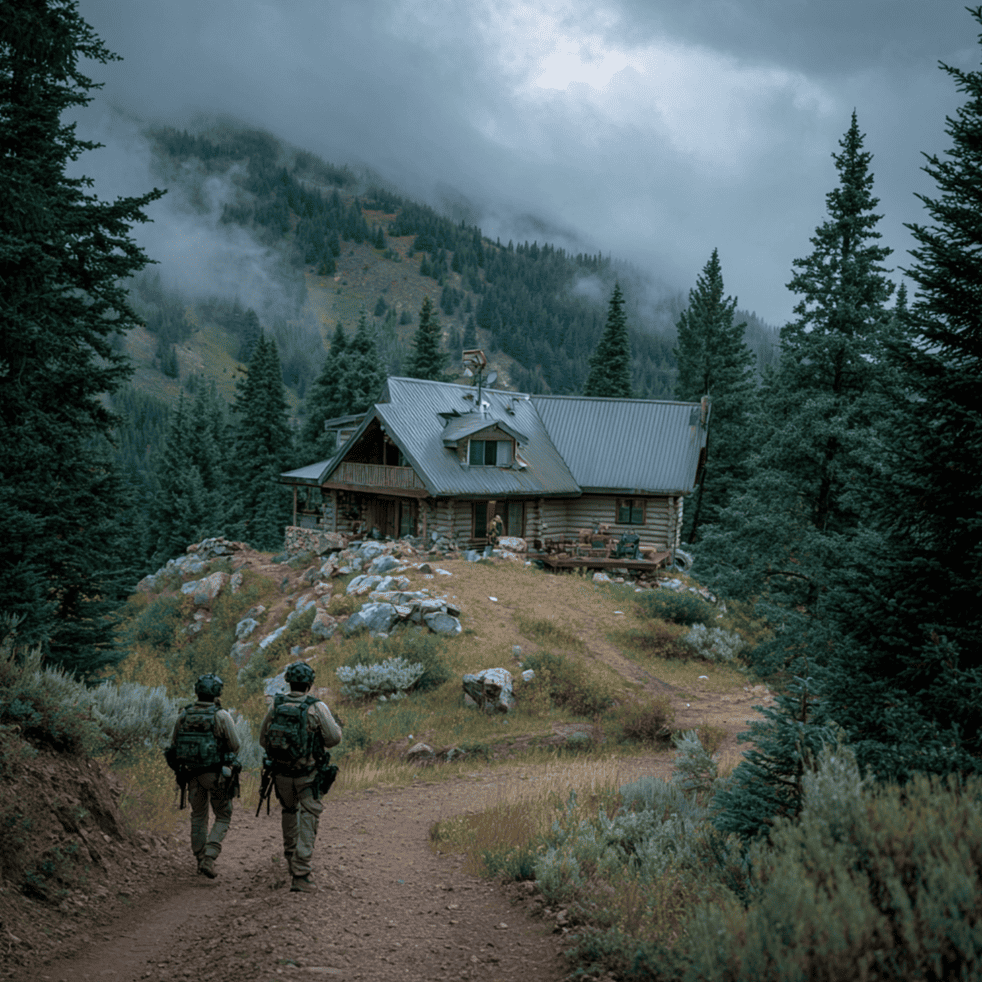 Photo: Ruby Ridge, via www.headcountcoffee.com
What made it work wasn't some secret legal strategy. Spence himself was remarkably candid about his method: he told the truth as plainly as he could, he connected the human cost of every case to the people sitting in judgment, and he never pretended to be something he wasn't. In an environment built on performance and posturing, radical authenticity was genuinely disruptive.
The System He Built From the Outside
Spence eventually founded the Trial Lawyers College in Wyoming — a program designed to teach lawyers the same principles that had made him so difficult to beat. The curriculum wasn't focused on procedure or precedent. It was focused on human connection, on stripping away the theatrical armor that most attorneys wear and finding the real story underneath every case.
The college has trained hundreds of lawyers, many of whom went on to take on exactly the kind of powerful interests that had once seemed immune to accountability. The grocery boy from Laramie, in other words, didn't just win his own cases — he built a school for the next generation of people who refused to be outranked by money.
What the Buckskin Jacket Was Actually Saying
It's tempting to frame Gerry Spence's story as an underdog tale — the country kid who showed up the city slickers. But that framing undersells what actually happened. Spence didn't succeed despite his background. He succeeded because of it. The years of working-class Wyoming life gave him something that no law school in the country was teaching: a deep, intuitive understanding of how ordinary people think, what they distrust, and what they respond to when the stakes are real.
The legal establishment spent decades trying to figure out what Spence's secret was. The answer, it turns out, was embarrassingly simple. He never forgot where he came from. And in a profession that spends enormous energy trying to make people forget exactly that, it was the one move nobody had a defense for.