Second String, First in History: Seven Times the Backup Changed Everything

Photo: Virtual-Pano, CC BY-SA 4.0, via Wikimedia Commons
There's a particular indignity to being the understudy. You learn everything. You prepare for everything. And then, most of the time, you sit and watch someone else take the bow.
But history has a strange habit of rewarding the people waiting in the wings. Again and again, the backup has walked into a moment the frontrunner couldn't handle — and walked out having changed the world. Here are seven times that happened, and why it mattered.
1. Chester Arthur and the Presidency Nobody Wanted Him to Have
James Garfield was elected president in 1880 with Chester Arthur on the ticket as a political compromise — a nod to the machine politicians nobody really respected but everyone needed to keep quiet. Arthur was widely considered a party hack, a customs house operator with no particular distinction. Garfield was the future.
Then Garfield was shot, in July 1881, and died eleven weeks later.
Arthur, the man almost nobody had wanted anywhere near the White House, became the 21st President of the United States. And then something unexpected happened: he governed with genuine integrity. He signed the Pendleton Civil Service Reform Act, which dismantled the very patronage system that had built his career. He took on corruption in the postal service. He vetoed pork-barrel spending.
The backup, it turned out, had a conscience the frontrunner never got to demonstrate.
2. The Understudied Play That Launched a Star — and a Movement
In 1952, a young actress named Ruby Dee was understudying for a Broadway production when the lead fell ill two nights before opening. Dee stepped in, delivered a performance that stopped the room, and earned reviews that launched her into a career spanning six decades.
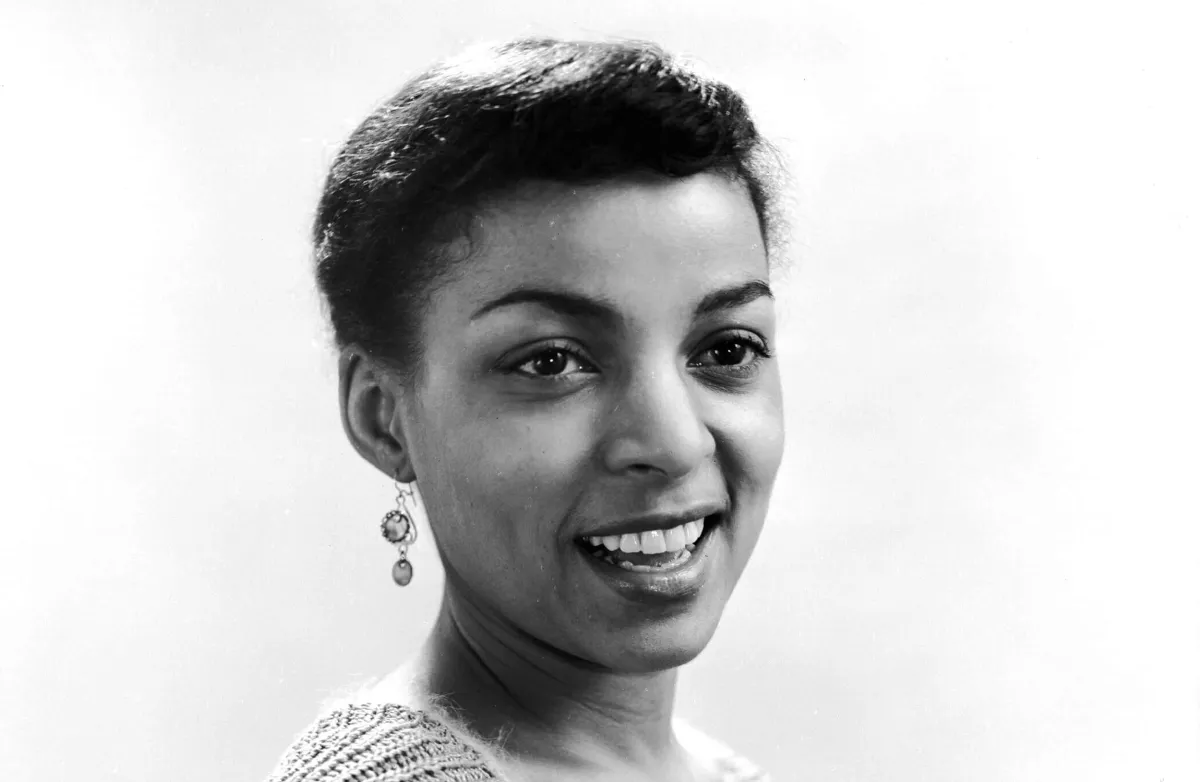 Photo: Ruby Dee, via facts.net
But the larger consequence was what she did with that platform. Dee became one of the most visible and committed civil rights advocates in American entertainment, using her prominence to amplify the movement at critical moments throughout the 1950s and 60s. She performed at the March on Washington. She used her Hollywood access to push for roles that dignified Black Americans at a time when the industry rarely bothered.
The original lead recovered. She had a decent career. Ruby Dee changed the culture. The difference was a two-night illness and a woman who was ready.
3. The Substitute Pilot Who Dropped the Mission That Ended the Pacific War
The crew selection for the Enola Gay's historic August 1945 mission over Hiroshima is well documented. Less discussed is the degree to which personnel changes in the weeks prior shaped the final crew composition. A number of originally assigned crew members were replaced or shifted due to illness, training conflicts, and administrative decisions.
One of the bombardiers who ended up in the rotation — not the original first choice for his position — had a background in precision targeting that proved critical under the specific conditions of that mission. The original plan and the executed plan differed in meaningful ways, shaped partly by who was actually in the aircraft.
History rarely celebrates the substitutions. It celebrates the outcome. But outcomes are built from the specific people who show up.
4. The Second-Choice Publisher Who Said Yes to Harper Lee
Before Tay Hohoff at J.B. Lippincott became the editor who shepherded To Kill a Mockingbird to publication, Lee's manuscript had made the rounds. Multiple publishers passed. Multiple editors didn't see what was there, or didn't see it clearly enough to commit.
Hohoff wasn't the industry's most prominent editor. Lippincott wasn't the most glamorous house. But Hohoff saw the novel inside the manuscript, worked with Lee through multiple drafts over two years, and pushed for publication when others had already moved on.
The book won the Pulitzer Prize in 1961. It has never gone out of print. And it exists in the form we know it because the first-choice publishers said no, leaving the door open for an editor who was paying closer attention.
5. Lyndon Johnson's Senate Replacement — Who Almost Became President First
When Lyndon Johnson vacated his Senate seat to become Vice President in 1961, the Texas Democratic Party faced a special election. The candidate they'd originally lined up fell through, and a relatively low-profile politician named William Blakley was appointed as a temporary placeholder.
Blakley's brief tenure was unremarkable. But his presence in that seat — and the eventual special election that followed — shaped the Texas Democratic landscape in ways that rippled through the 1960s, affecting which figures had institutional support and which didn't as the decade's political drama unfolded.
In politics, placeholder positions are rarely neutral. The person filling the seat, even temporarily, shapes the next chapter whether they intend to or not.
6. The Backup Quarterback Who Built a Dynasty's Culture
In the early years of the New England Patriots' dynasty, the story everyone knows begins with Tom Brady stepping in for an injured Drew Bledsoe in 2001. What's less examined is what that moment did to the organizational culture — not just for that season, but for the next two decades.
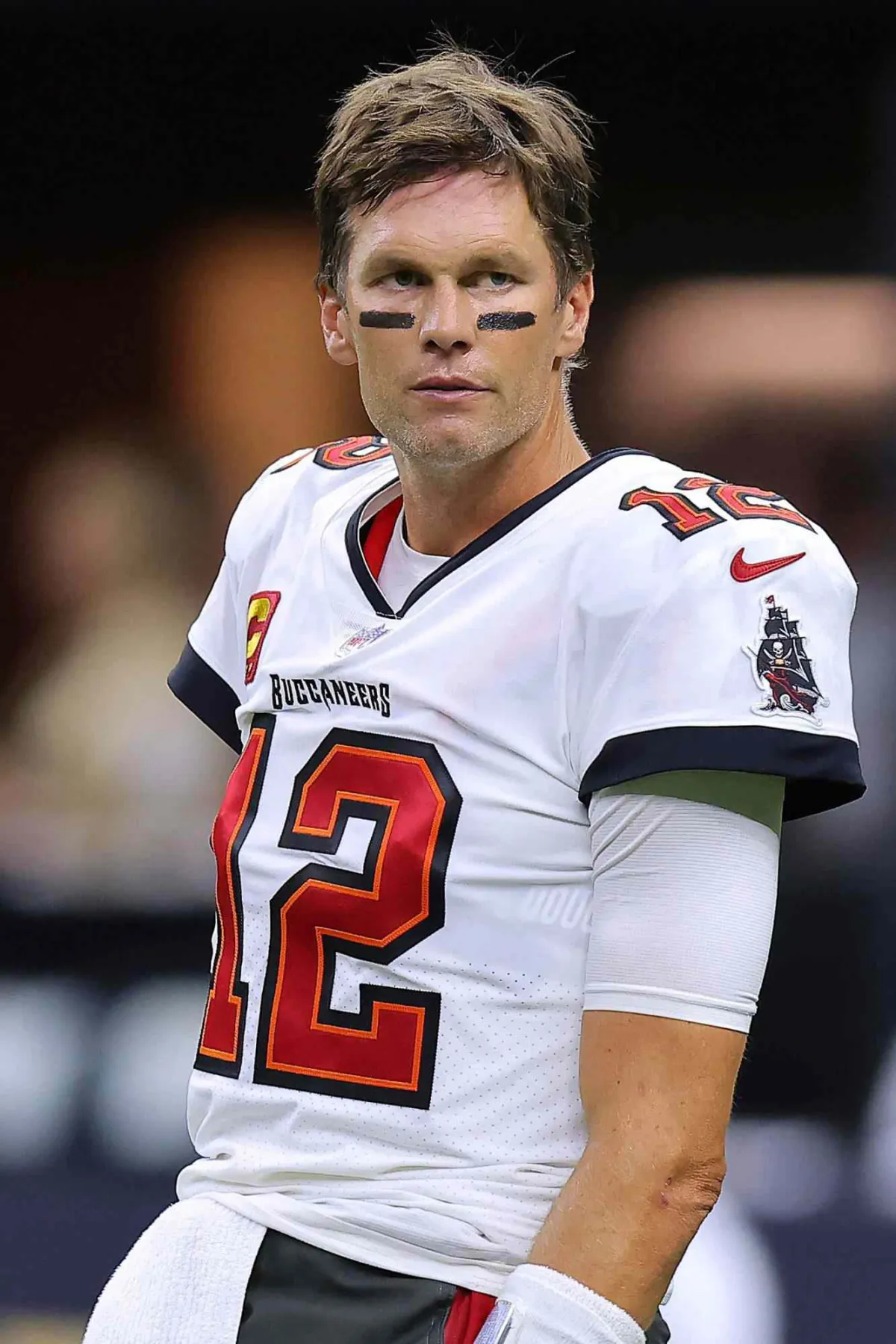 Photo: Tom Brady, via people.com
Bledsoe was the franchise. Brady was the afterthought, a sixth-round pick who'd nearly left football. When Bledsoe went down and Brady stepped in — and won — it sent a message through the entire organization: preparation matters more than pedigree. Every player, every coach, every role player understood that the backup could become the starter, and that being ready was the only thing that separated them.
That cultural shift — the genuine belief that anyone could step up — became one of the defining characteristics of a franchise that won six Super Bowls. It started with a backup who was ready when nobody expected him to be.
7. The Second-Choice Surgeon Who Pioneered What the First Wouldn't Try
In the early years of open-heart surgery, the most prominent surgical programs were led by established figures who were deeply cautious about experimental techniques. The risks were enormous, the mortality rates sobering, and the leading surgeons of the era were understandably conservative.
In several documented cases throughout the 1950s, patients who were turned down by first-choice surgical teams — told the procedure was too risky or the case too complex — ended up at smaller programs run by less prominent surgeons willing to attempt what others wouldn't.
Those second-choice surgeons, operating outside the spotlight and with less institutional protection, developed techniques under pressure that the cautious leaders of the field later adopted. The advances came from the margins, from the people the establishment hadn't fully endorsed, because the establishment had too much to lose by trying.
What the Understudies Knew
The thread running through all seven of these stories is preparation without guarantee. Every person in this list spent time getting ready for something they weren't sure would ever come. They learned the lines, studied the role, showed up — and then waited, sometimes for years, for a moment that might never arrive.
When it did arrive, they were ready. And in most cases, they did something with it that the original frontrunner might not have.
There's a lesson in that, even if it's a slightly uncomfortable one. Being second choice doesn't mean you're second best. Sometimes it just means the timing wasn't right yet — and that when it finally is, you'll be exactly prepared for a moment that was always, in some strange way, yours.