From Dusty Arenas to Packed Dining Rooms: The Rodeo Clown Who Learned Hospitality the Hard Way
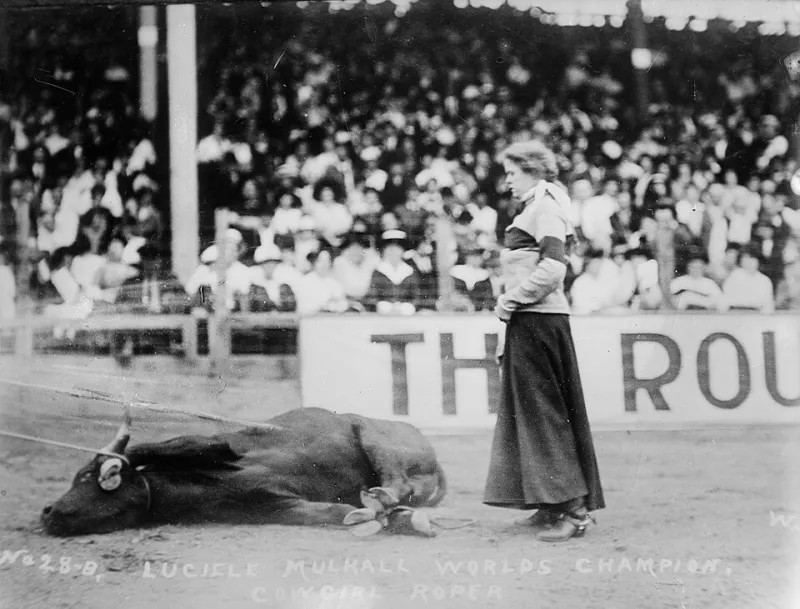
Photo: , Public domain, via Wikimedia Commons
There's a particular kind of intelligence that only develops when a 1,800-pound bull is charging at your face.
You learn to read body language in fractions of a second. You figure out which direction a crowd is about to shift before they know it themselves. You develop an almost supernatural sensitivity to atmosphere — to the invisible tension that tells you whether a room is about to erupt in laughter or something far worse. And if you're Cody Brannick, you eventually discover that all of those skills transfer, almost perfectly, to running a restaurant.
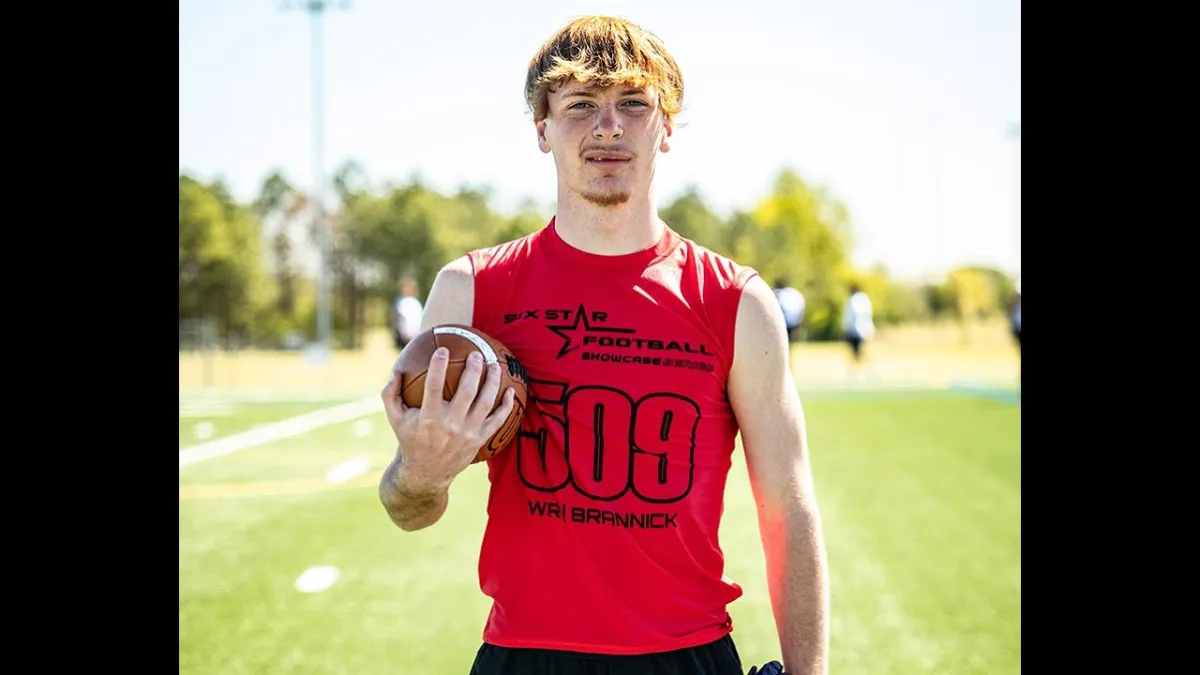 Photo: Cody Brannick, via i.ytimg.com
Just not before a Brahman bull named Catastrophe nearly kills you first.
Eight Seconds and a Career Ending
Brannick grew up outside Amarillo, Texas, the third of five kids in a family where rodeo wasn't a hobby — it was a lifestyle. His father worked livestock auctions. His uncles competed on the regional circuit. By the time Cody was fifteen, he was already working as a barrel man, the guy in the painted barrel who distracts bulls away from fallen riders. By twenty-two, he was one of the more sought-after rodeo clowns on the southwestern circuit, known for his timing and his nerve.
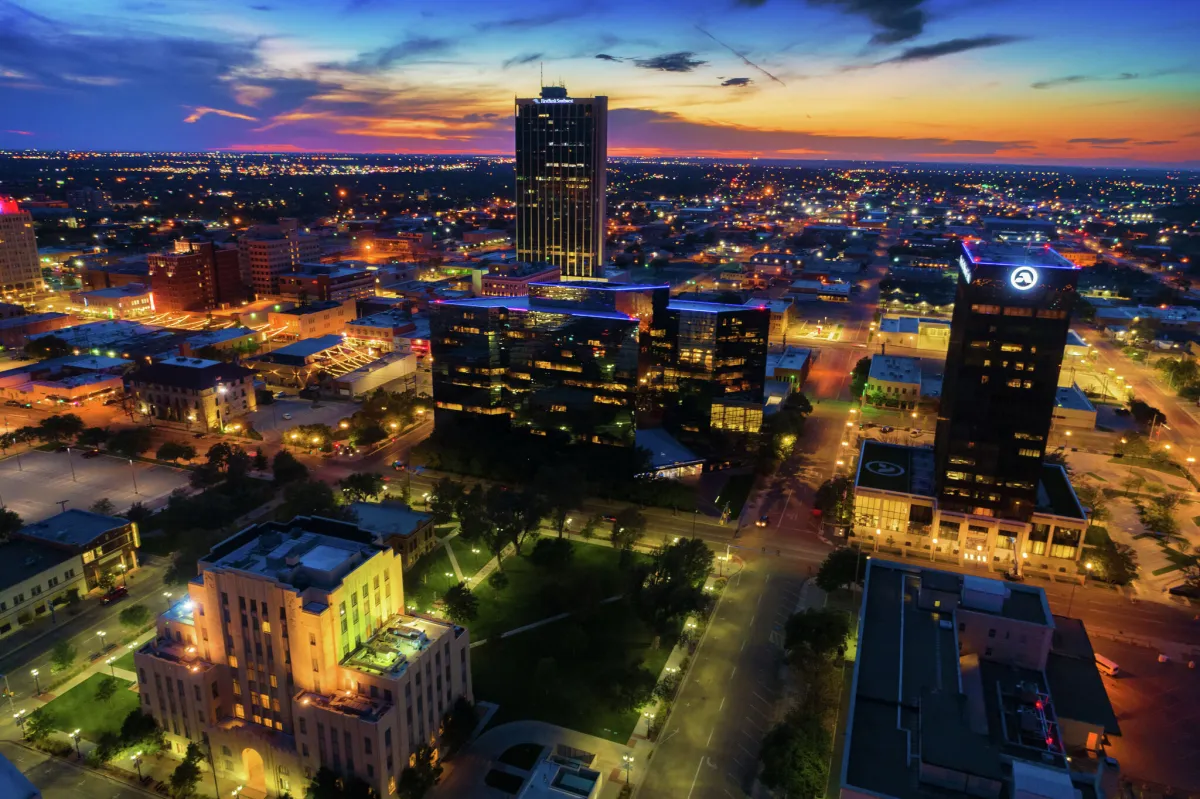 Photo: Amarillo, Texas, via s.hdnux.com
"People think rodeo clowns are there for laughs," he once told a regional magazine. "And yeah, part of it is entertainment. But mostly you're a safety system. You're the thing standing between a rider and a thousand pounds of pure anger."
For nearly a decade, that was Brannick's life — dusty arenas, county fairs, long drives between small towns, and the particular camaraderie of people who do dangerous things for modest pay. He was good at it. He loved it.
Then came the summer of 1987, and Catastrophe.
The accident happened at a mid-circuit event outside Lubbock. A rider went down hard, and Brannick moved in to draw the bull. Something went wrong — witnesses disagreed on exactly what — and Catastrophe connected with Brannick's right side with full force. Three broken ribs. A shattered collarbone. A shoulder that would never again work the way it was supposed to.
At thirty-one, his rodeo career was over.
The Worst Table in the House
For about eighteen months after the accident, Brannick drifted. He tried ranch work, tried sales, tried not to think too hard about the fact that the only thing he'd ever been truly excellent at was now physically impossible. He ended up taking a job bussing tables at a steakhouse in Lubbock — not out of any passion for the restaurant industry, but because it was available and he needed the income.
He hated it. And then, slowly, he didn't.
"I started watching the room," he later explained. "Same way I used to watch the arena. You can feel when a table is about to turn sour. You can feel when somebody needs attention before they even raise their hand. It's the same instinct. I just never thought to apply it somewhere that didn't involve livestock."
What Brannick noticed — and what he couldn't stop noticing — was how rarely restaurant staff actually read the room. Servers followed scripts. Managers watched the clock. Nobody seemed to be paying attention to the emotional weather of the dining room the way you'd pay attention to the behavioral cues of an unpredictable animal.
He started talking to the owner. Then he started managing shifts. Then, in 1991, he scraped together every dollar he had — and borrowed a few thousand more from his sister — and opened a small barbecue place on the edge of town called The Barrel. The name was a nod to his past. The philosophy was something else entirely.
 Photo: The Barrel, via www.the-sun.com
Reading the Room
From day one, The Barrel operated differently than other restaurants in the area. Brannick trained his staff not just in food service mechanics, but in what he called "arena awareness" — the practice of continuously scanning the room, identifying emotional cues, and responding before customers had to ask.
Tables that looked restless got checked on. Families with young kids got their food faster. Couples who seemed to be celebrating something got a quiet acknowledgment. None of it was complicated. All of it was deliberate.
"In the rodeo, if you wait for the situation to become obvious, you're already too late," Brannick told his staff. "Same thing here. By the time somebody flags you down with a complaint, you've already failed."
The food was good. The service was something people talked about. Within two years, The Barrel had a wait on weekends. Within five, Brannick had opened a second location. By the early 2000s, he was operating six restaurants across Texas and New Mexico, had been profiled in a regional business journal, and had started consulting for hospitality groups who wanted to understand why their customer satisfaction numbers lagged behind his.
The answer was always the same: you have to read the room. And reading rooms, it turned out, was something Cody Brannick had been training for since he was fifteen years old.
The Training Ground Nobody Expected
What makes Brannick's story stick with you isn't just the success — it's the specificity of the preparation. He didn't study hospitality. He didn't read business books or attend management seminars. He learned everything he needed to know by standing in the dirt between a bull and a crowd, figuring out in real time what everyone in that arena needed from him.
The empathy required to do that job well — the ability to sense what a crowd needs before they articulate it, to defuse tension with presence and timing, to make people feel safe and entertained simultaneously — turns out to be exactly the empathy that separates a good restaurant from a great one.
Brannick sold his restaurant group in 2009 and spent several years mentoring young entrepreneurs in the hospitality space. He still talks about the rodeo constantly. Not with nostalgia, exactly, but with something like gratitude — an acknowledgment that Catastrophe, the bull that ended his first career, might have been the most important business partner he ever had.
"I didn't choose the restaurant industry," he's said more than once. "It chose me. And it turned out the only training I needed, I'd already done."
Sometimes the vault holds things you didn't know you'd deposited.