From Switchboard to State Senate: The Operator Who Rewrote the Political Playbook

"Number, Please?"
Every morning for nearly a decade, Verda Welcome plugged cables into a switchboard and asked the same question: "Number, please?" She was invisible to most callers — just a voice connecting their important conversations. What they didn't know was that Welcome was getting an education in human nature that would later make her one of the most formidable politicians in Maryland history.
Welcome's path to the Maryland State Senate began in the most unlikely place possible: other people's kitchens.
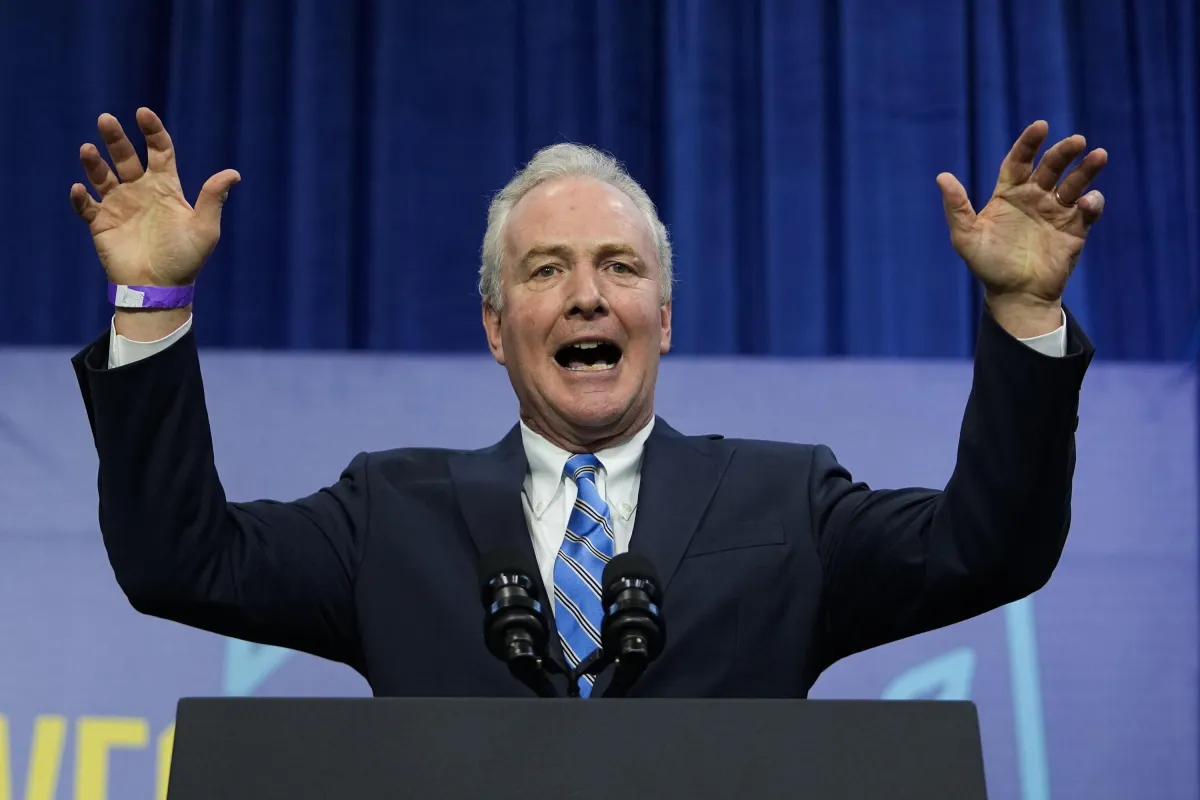 Photo: Maryland State Senate, via storage.googleapis.com
Learning Power from Powerlessness
Born in 1907 in Lake Lure, North Carolina, Welcome started working in domestic service as a teenager. She cleaned houses, minded children, and served meals to families who barely acknowledged her presence. When she moved to Baltimore in the 1930s, she took a job as a telephone operator — another position where she was expected to be helpful, efficient, and essentially invisible.
But Welcome was watching. And listening. And learning.
As a telephone operator, she connected calls between Baltimore's power brokers — politicians, business leaders, union bosses. She overheard conversations about deals being made, favors being traded, and decisions that would affect thousands of lives. More importantly, she began to understand how real political power worked: through relationships, persistence, and the ability to read people.
"I learned more about politics listening to those phone calls than most people learn in law school," Welcome would later say.
The Invisible Woman Becomes Visible
Welcome's political awakening came gradually. She joined the NAACP, started attending community meetings, and began speaking up about issues affecting Baltimore's Black neighborhoods. But it was her experience in low-status jobs that gave her a crucial advantage: she knew how to talk to people who felt overlooked by the political system.
When Welcome decided to run for the Maryland House of Delegates in 1958, the political establishment barely took notice. She was a telephone operator with no college degree, no political connections, and no campaign fund. What could she possibly know about governing?
Everything, as it turned out.
Campaign School Was Real Life
Welcome's campaign strategy came straight from her years in service work: she listened more than she talked, she treated every voter like they mattered, and she never forgot a name or a concern. While her opponents held fundraising dinners at fancy hotels, Welcome knocked on doors in neighborhoods other politicians ignored.
She understood something her opponents didn't: most voters felt as invisible as she once had. They wanted a representative who would actually listen to their problems, not just promise solutions during election season.
Welcome won her first race by a landslide.
Mastering the Political Switchboard
In the Maryland House of Delegates, Welcome applied the same skills she'd learned connecting phone calls. She identified who really held power, who could be trusted, and who was just making noise. She built coalitions by treating every colleague with respect — a lesson learned from years of being dismissed herself.
When older, more established legislators tried to marginalize her, Welcome outmaneuvered them with a combination of preparation, persistence, and political intelligence that left them scrambling to catch up.
Breaking the Ultimate Barrier
In 1962, Welcome decided to run for the Maryland State Senate. No Black woman had ever been elected to a state senate anywhere in America. The odds were impossible. The opposition was fierce. The fundraising gap was enormous.
Welcome didn't care about the odds. She'd spent her entire life being told what she couldn't do.
Her campaign was a masterclass in grassroots organizing. She mobilized voters who had never felt represented in state politics. She built a coalition that crossed racial and economic lines. And she ran on issues that mattered to working families — housing, education, healthcare — because those were the issues she'd lived with personally.
On Election Day 1962, Verda Welcome made history.
The Senator Who Never Forgot the Switchboard
Welcome served in the Maryland State Senate for fourteen years, championing civil rights legislation, education funding, and workers' rights. But she never forgot the lessons learned in her early jobs. She maintained an open-door policy that made her office accessible to any constituent who needed help. She returned every phone call personally. She treated janitors and CEOs with equal respect.
Fellow senators often marveled at Welcome's political instincts. How did she always seem to know which way a vote would go? How did she build such effective coalitions? How did she connect with voters across racial and economic lines?
The answer was simple: Welcome had spent years listening to people, understanding their concerns, and learning how to solve problems. Her "training" in domestic work and telephone operating had taught her more about public service than any political science degree could.
The Operator's Legacy
When Welcome retired from the Senate in 1982, she had authored more than forty pieces of legislation and mentored a generation of younger politicians. More importantly, she had proven that political effectiveness comes not from elite credentials but from genuine connection with constituents.
Today, when politicians talk about "staying connected to their roots," they're describing something Verda Welcome actually lived. She never forgot what it felt like to be invisible, to be underestimated, to have your voice dismissed.
That memory became her greatest political asset.
Welcome's career proves that sometimes the best preparation for public service isn't law school or business success — it's understanding what life is like for people who feel forgotten by the political system. She spent years connecting other people's calls before learning to connect with voters in a way that changed Maryland politics forever.
Every time you see a politician genuinely listening to constituents instead of just talking at them, you're witnessing the legacy of a telephone operator who became a senator by never forgetting where she came from.