Three Languages, One War: The Waitress Who Became America's Secret Weapon
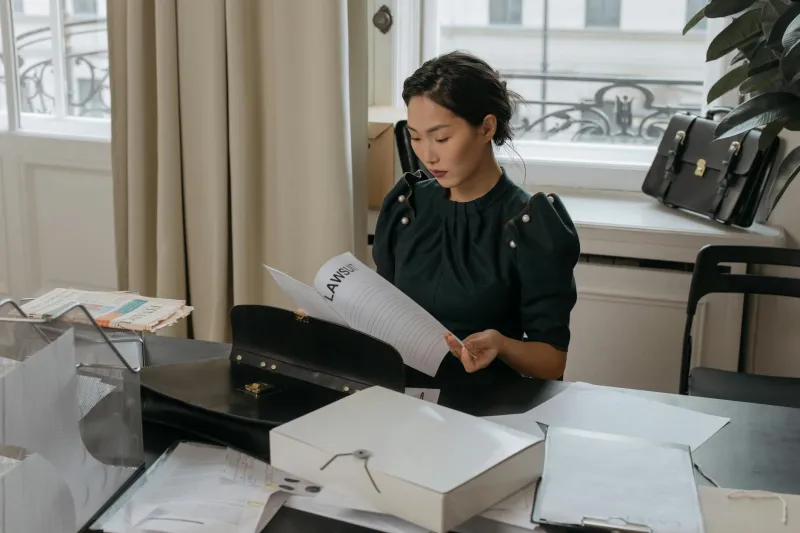
The Help Wanted Ad That Changed a War
In the spring of 1943, a small classified ad appeared in the San Francisco Chronicle: "Kitchen staff needed. Must speak English and one Asian language." For most readers, it was just another wartime job posting. For Virginia Park, a twenty-two-year-old waitress struggling to support her family's struggling restaurant, it looked like steady work with decent pay.
 Photo: San Francisco, via eskipaper.com
What the ad didn't mention was that the "kitchen" was inside a classified military intelligence facility, and the "Asian language" requirement would soon make Park one of the most valuable intelligence assets in the Pacific Theater—despite having no military training, no security clearance, and no idea that she was about to help change the course of World War II.
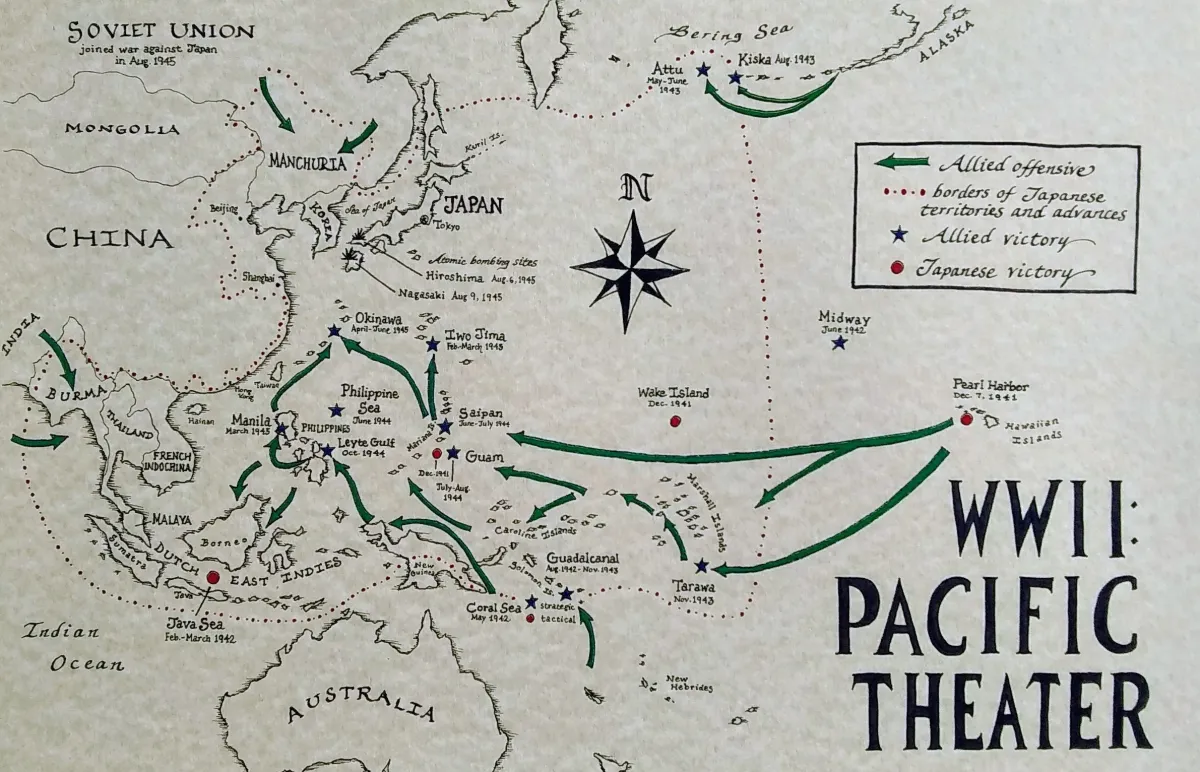 Photo: Pacific Theater, via i.etsystatic.com
Growing Up Between Worlds
Park's path to military intelligence began in her parents' restaurant in San Francisco's Chinatown, where she learned to navigate between languages and cultures before most kids learned to ride bicycles. Her Korean immigrant parents had named their establishment the Golden Dragon to appeal to the broader Asian community, but the reality was more complicated.
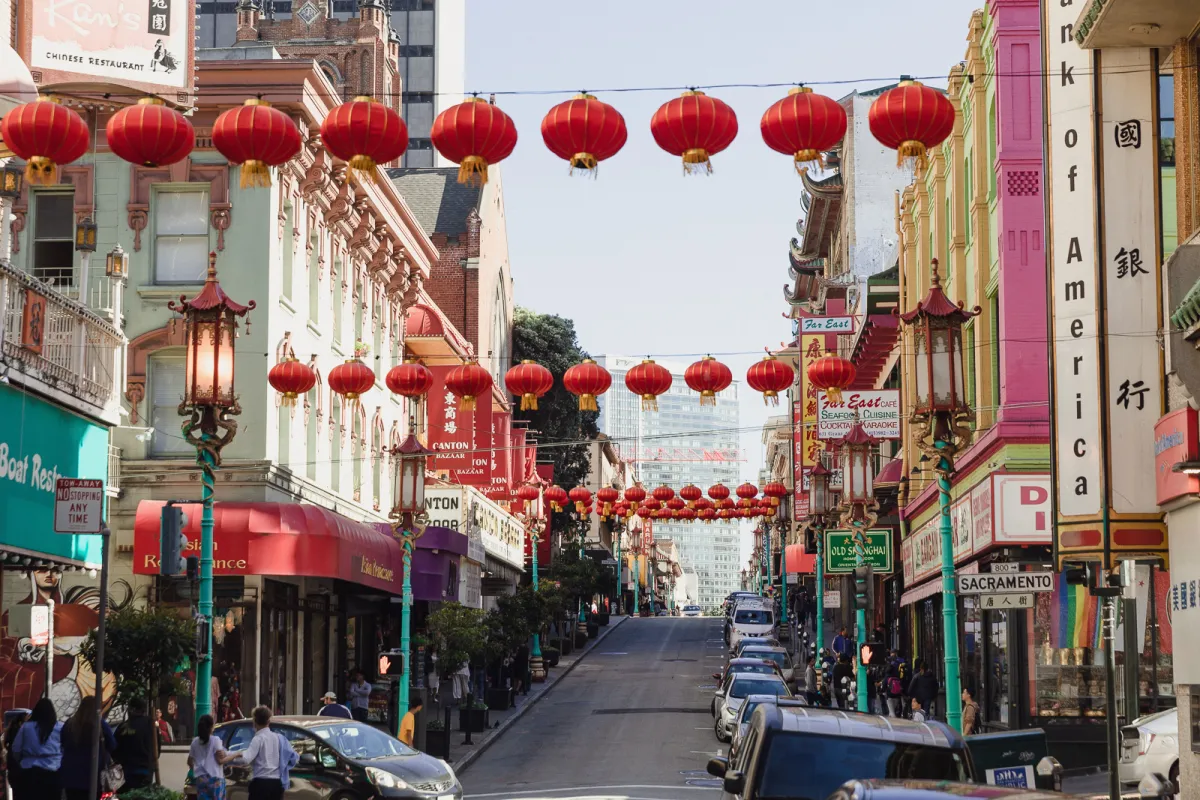 Photo: San Francisco's Chinatown, via www.takewalks.com
By age ten, Park was translating for customers who spoke Korean, Japanese, or Chinese dialects her parents didn't understand. By fifteen, she was handling the restaurant's books, negotiating with suppliers, and mediating disputes between kitchen staff who often shared no common language except the few English phrases she taught them.
"I grew up thinking everyone spoke three languages at home," Park recalled in a rare interview decades later. "It wasn't until I started school that I realized most families stuck to one."
When the war began and anti-Asian sentiment surged, the Golden Dragon's business plummeted. Park took the military job not out of patriotism, but out of necessity—her family needed the income, and few other employers were hiring Asian Americans in 1943.
From Kitchen Helper to Intelligence Goldmine
Park's first assignment was exactly what she expected: translating Japanese and Korean menu items for American servicemen who wanted to understand what they were eating. But within weeks, her supervisors noticed something unusual. Park wasn't just translating words—she was explaining cultural context, catching subtle meanings that other translators missed, and identifying regional dialects that revealed information about where prisoners or intercepted communications originated.
"Most of our translators were either academics who understood the languages intellectually, or immigrants who knew one dialect very well," explained Colonel James Mitchell, who oversaw intelligence operations at the base. "Virginia was different. She understood how these languages worked in real life, in stressful situations, among people who were trying to hide things."
The breakthrough came when Park was asked to help with what seemed like routine prisoner interrogations. Japanese soldiers captured in the Pacific were being questioned about troop movements and supply lines, but many claimed to speak only limited English. Park, listening from an adjacent room to provide translation support, began noticing something the interrogators missed.
"They weren't just speaking limited English," she later explained. "They were speaking it incorrectly on purpose, in ways that suggested they understood much more than they were letting on. And when they spoke Japanese to each other, they were using formal military language mixed with regional slang in ways that told you exactly which units they came from."
The Translator Who Became a Strategist
Word of Park's insights reached higher levels of command faster than anyone expected. By late 1943, she was being consulted not just on translation, but on interrogation strategy. Officers learned to ask her not just what prisoners were saying, but what they weren't saying, and why.
Park developed techniques that became standard practice throughout the Pacific Theater. She taught interrogators to recognize when prisoners were using formal language to hide their true ranks, how regional accents could reveal unit origins, and which cultural references suggested access to strategic information.
More importantly, she understood the psychology behind the languages she translated. Having grown up mediating between different cultural communities, Park had developed an intuitive sense for when people were holding back information, when they were testing their questioners, and when they were ready to reveal what they really knew.
"She could listen to a five-minute conversation and tell you not just what was said, but what the speakers were thinking, what they were afraid of, and what questions you should ask next," recalled Captain Robert Chen, who worked with Park throughout 1944. "It was like having a window into the enemy's mind."
The Intelligence Revolution Nobody Noticed
Park's contributions extended far beyond individual interrogations. Her analysis of captured documents and intercepted communications helped military planners understand Japanese supply chains, predict troop movements, and identify strategic vulnerabilities. Her insights influenced major tactical decisions, including the timing and targets of several Pacific operations.
Yet because her work was classified and her role was unofficial, Park's contributions were rarely documented in ways that would survive the war. She remained officially classified as "kitchen staff" even as she was doing work that would normally require high-level security clearances and advanced military training.
"The military bureaucracy didn't know how to handle her," explained Dr. Lisa Wong, a historian who researched Park's wartime service. "She wasn't a soldier, wasn't a civilian contractor, wasn't an academic consultant. She was just this incredibly talented woman who happened to be exactly where they needed her when they needed her."
After the War: The Invisible Veteran
When the war ended in 1945, Park faced a problem that many wartime intelligence workers encountered: her skills were too specialized and too classified to translate easily into civilian employment. The military couldn't provide references for work that officially didn't exist. Academic institutions weren't interested in hiring someone whose expertise came from practical experience rather than formal education.
Park returned to her family's restaurant, which had managed to survive the war years but never fully recovered its pre-war prosperity. For the next two decades, she served customers and managed the books, rarely speaking about her wartime service except to close family members.
"She'd occasionally mention that she'd done some translation work during the war," recalled her nephew, David Park. "But she never talked about the details. We didn't understand until much later how important that work had been."
Recognition Decades Late
It wasn't until the 1980s, when military historians began systematically reviewing classified wartime documents, that the full scope of Park's contributions became clear. Researchers found her analysis cited in dozens of intelligence reports, her techniques referenced in training materials, and her insights credited with helping to break several important enemy communication codes.
In 1987, at age sixty-six, Park finally received formal recognition for her wartime service. The ceremony was small and private—many of the details of her work remained classified—but it marked the first time the military had officially acknowledged her contributions.
"It was important to her, I think, to know that someone remembered," her nephew recalled. "Not for the recognition, but because it meant her work had mattered."
The Waitress Who Won a War
Virginia Park died in 1994, having spent the majority of her life in the same San Francisco neighborhood where she grew up. Her story challenges assumptions about expertise, service, and the kinds of people who shape history during wartime.
Park never sought a career in intelligence, never trained for military service, and never expected her childhood experiences in a family restaurant to become crucial skills in a global conflict. Yet her unique background—the product of immigration, economic necessity, and cultural complexity—made her exactly the right person for a job that didn't officially exist.
Her legacy lives on in the intelligence techniques she developed, the strategic insights she provided, and the reminder that America's greatest assets often come from the most unexpected places. In a war fought across vast distances and cultural divides, victory sometimes depended not on the soldiers who made headlines, but on the translators who made sense of the spaces between languages, cultures, and worlds.