The Invisible Hands That Stitched America Together
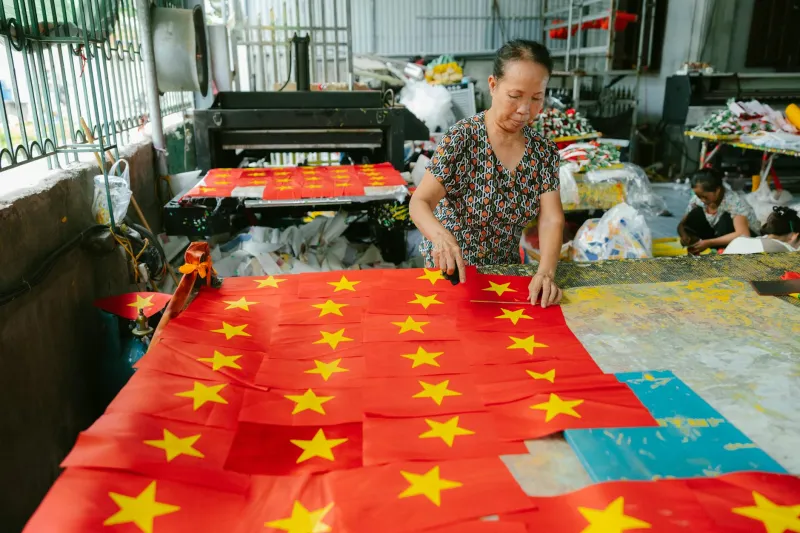
The Women History Chose to Forget
Betsy Ross gets the credit, but she wasn't alone in her sewing room. Across colonial America and well into the 19th century, thousands of women bent over fabric and thread, creating the banners, uniforms, and flags that would become the visual vocabulary of American identity. Yet while we know the names of generals who carried those flags into battle and politicians who waved them at rallies, the women who actually made them remain largely nameless in our history books.
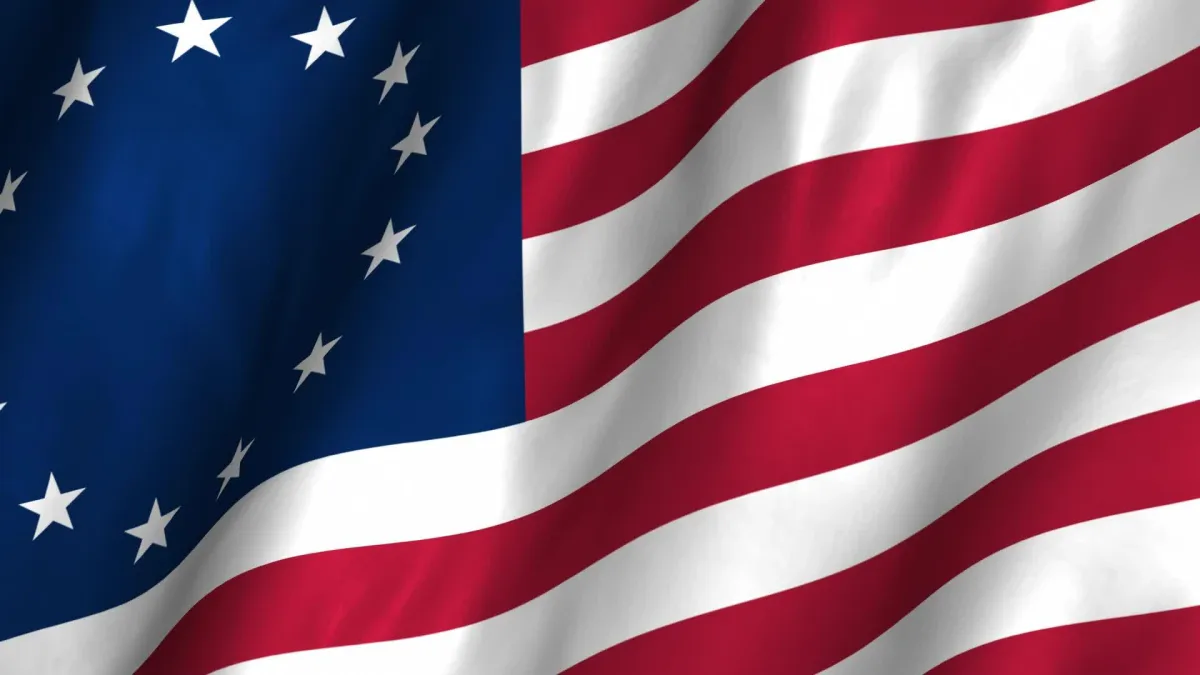 Photo: Betsy Ross, via wallpapercave.com
This wasn't an accident of record-keeping. It was a deliberate choice about whose work mattered enough to remember. Needlework, no matter how skilled or historically significant, was dismissed as "women's work" — domestic labor that happened in the margins of real history. But those margins, it turns out, were where America's most enduring symbols were actually born.
More Than Just Needlework
The women who created America's flags and banners weren't just following patterns. They were making crucial design decisions that would shape how the nation saw itself. When the Continental Congress specified that the American flag should have thirteen stripes and thirteen stars but gave no details about arrangement or proportion, it fell to seamstresses to figure out what America should actually look like.
These women had to solve practical problems that no committee had considered. How wide should the stripes be? How should the stars be arranged? What kind of fabric could withstand weather and gunpowder smoke? Should the blue field be navy or royal blue? These weren't trivial aesthetic choices — they were decisions that would influence how Americans understood their national identity for centuries to come.
Consider the challenge of creating regimental colors during the Revolutionary War. Each unit needed banners that could be seen through battlefield smoke, recognized from a distance, and carried into combat without falling apart. The seamstresses creating these flags had to balance symbolic meaning with practical durability, artistic beauty with battlefield functionality.
The Economics of Patriotism
For many women, flag-making and banner creation represented one of the few ways to earn independent income in a society that offered limited economic opportunities. Skilled seamstresses could command good prices for their work, especially when demand spiked during wartime or political campaigns.
During the Civil War, women on both sides of the conflict found themselves inundated with orders for regimental flags, mourning banners, and patriotic bunting. A skilled seamstress could support herself and her family by working long hours over silk and wool, creating the visual symbols that communities needed to express their allegiances.
But this economic opportunity came with a cost: the more successful these women became at their craft, the more invisible they became as individuals. Their work was valued for its function, not its artistry, and certainly not for the intelligence and creativity of its creators. A beautifully crafted regimental flag was praised for its patriotic symbolism, not for the dozens of hours of skilled labor that brought it into existence.
Beyond Betsy Ross
While Betsy Ross has become the face of American flag-making, the reality was far more complex and collaborative. In Philadelphia alone, dozens of seamstresses and upholsterers were creating flags and banners for the Continental Army. Women like Rebecca Young, who made flags for the Continental Navy, and Cornelia Bridges, whose workshop produced banners for multiple regiments, were running sophisticated operations that employed other women and contributed significantly to the war effort.
 Photo: Rebecca Young, via churchofchristladyspeakers.files.wordpress.com
These workshops weren't just places where women sewed — they were information networks where news traveled, political opinions were formed, and communities were built. While men debated politics in taverns and coffee houses, women were having equally important conversations over their needlework, discussions that influenced how American symbols evolved and what they came to represent.
The seamstresses also served as informal historians, preserving in fabric the visual memory of important events. When communities wanted to commemorate a battle or honor a fallen leader, they turned to local needlewomen who would translate those memories into banners and quilts that could be displayed at public gatherings.
The Art of Making Do
One of the most remarkable aspects of early American flag-making was how these women created lasting symbols from whatever materials they could find. During the Revolutionary War, when imported fabrics were scarce, seamstresses had to be resourceful. They unraveled old garments to get thread, repurposed household linens for backing, and mixed their own dyes from local plants and minerals.
This resourcefulness became part of the aesthetic of American flags and banners. The slight irregularities, the variations in color and texture that came from using available materials, gave these early symbols a handmade quality that mass-produced flags would later lose. Each flag was unique, carrying the individual touch of its creator even as it represented collective ideals.
Women also had to innovate constantly to meet the demands of their work. They developed new techniques for appliqué work that would make stars and emblems more durable. They experimented with different stitching methods to ensure that seams would hold under stress. They created templates and patterns that could be shared with other seamstresses, building a informal network of technical knowledge.
The Politics of Thread
The act of flag-making was inherently political, and the women who created these symbols were often deeply engaged with the causes they represented. During the Civil War, women's sewing circles became centers of political activism, where needlework and political organizing went hand in hand.
Northern women organized "flag bees" where groups would gather to create banners for Union regiments. These events were social occasions, but they were also political statements — public displays of support for the war effort and opportunities to raise money for soldiers' families. The flags these women created carried not just national symbols, but the collective hopes and fears of the communities that made them.
Southern women engaged in similar activities, creating Confederate flags and battle standards that expressed their regional identity and political beliefs. The act of sewing became a form of political participation for women who were otherwise excluded from formal political processes.
The Unsung Legacy
As America industrialized and flag production moved from individual seamstresses to factories, something was lost. The personal connection between creator and symbol disappeared. Flags became mass-produced commodities rather than individual works of craft and devotion.
But the influence of those early seamstresses lives on in ways we rarely acknowledge. The proportions they established, the color choices they made, the design solutions they developed became the template for American flag production. Every time we see the stars and stripes, we're looking at design decisions made by women whose names we've forgotten but whose aesthetic choices continue to shape our national identity.
These women also established traditions of community involvement in creating patriotic symbols that persist today. From school children making paper flags to community groups organizing banner projects, the idea that ordinary citizens should participate in creating the symbols of their democracy traces back to those colonial and early American seamstresses who saw flag-making as both craft and civic duty.
Reclaiming the Story
The time has come to acknowledge that American symbols weren't born in legislative chambers or military headquarters — they were created in sewing rooms and workshops by women who understood that the visual language of democracy needed to be both beautiful and durable. These seamstresses were the unsung graphic designers of American identity, making aesthetic choices that would influence how the nation saw itself for generations.
Their story reminds us that history's most enduring symbols often emerge not from grand political gestures, but from the patient, skilled work of people who understand that ideas need to be made tangible before they can inspire others. The next time you see an American flag, remember that it exists because countless women, working largely in anonymity, chose to pick up their needles and give physical form to the abstract ideals of a young nation.