The Forgotten Memo That Fed America: How One Grocery Clerk's Crazy Idea Became Every Store You Know
The Memo Nobody Wanted to Read
In 1930, a 46-year-old grocery clerk named Michael Cullen sat down at his kitchen table in Herrin, Illinois, and wrote what would become the most important business memo in American retail history. His bosses at Kroger would never read it.
 Photo: Michael Cullen, via www.sofinearteditions.com
Cullen had been watching customers for decades, noting how they moved through stores, what they bought, and—more importantly—what they couldn't afford. The Great Depression was tightening its grip, and families were stretching every dollar. Traditional grocery stores, with their high markups and limited selection, weren't serving the people who needed food most.
So Cullen wrote a six-page letter to his supervisors, proposing something radical: massive stores with rock-bottom prices, self-service shopping, and enormous parking lots. He called it "monstrous in size" and promised to "out-Piggly Wiggly Piggly Wiggly."
Kroger's executives read exactly none of it.
When Nobody Listens, Build It Yourself
After weeks of silence from corporate headquarters, Cullen made a decision that would reshape American life. He quit his steady job, loaded his family into their car, and drove to New York City—not to Manhattan's glittering retail districts, but to Queens, where he could afford to rent space.
The space he found wasn't glamorous. A former garage in Jamaica, Queens, 6,000 square feet of concrete and possibility. His wife thought he'd lost his mind. His former colleagues at Kroger probably agreed.
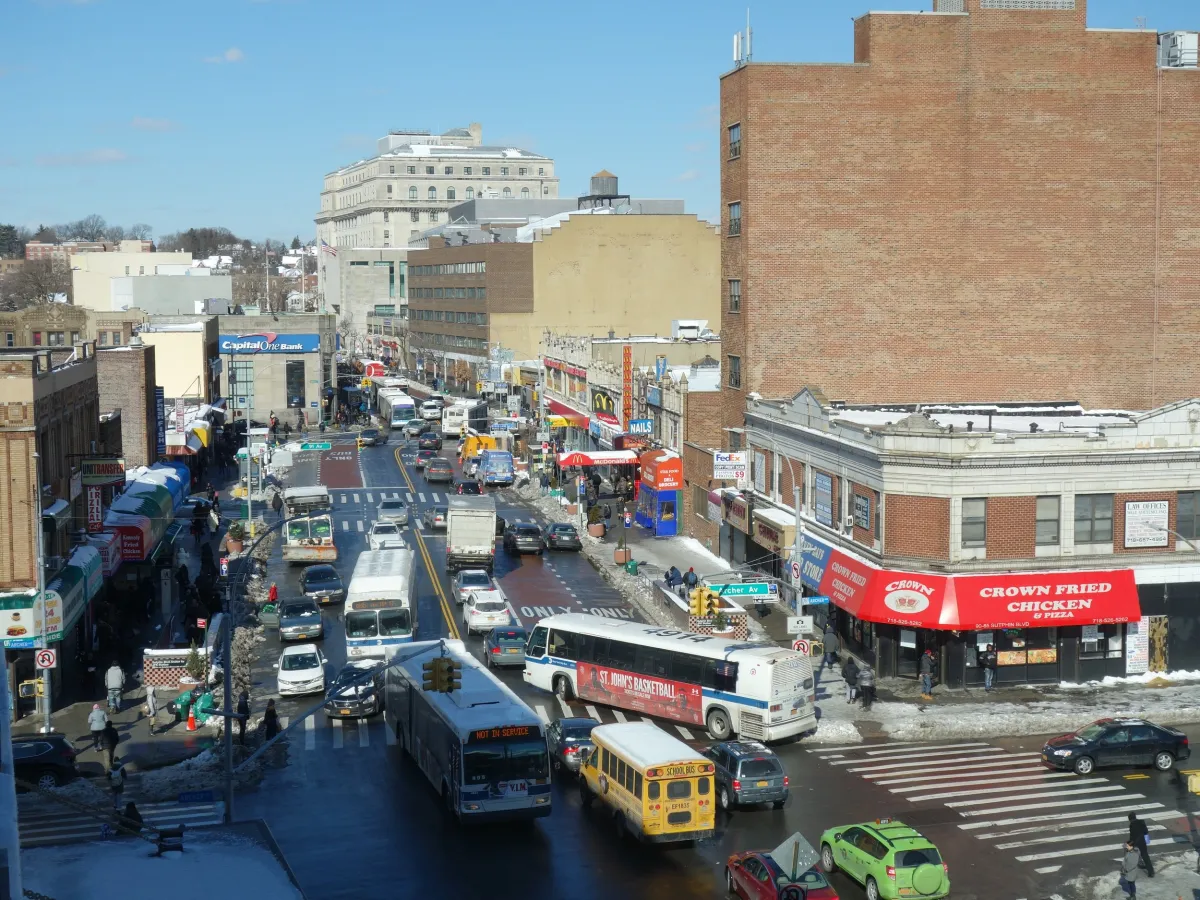 Photo: Jamaica, Queens, via images.squarespace-cdn.com
But Cullen saw something different. He saw aisles wide enough for shopping carts, shelves stocked floor to ceiling, and prices so low they'd make competitors weep. He saw the future of American shopping, even if nobody else did.
The Birth of King Kullen
On August 4, 1930, Cullen opened King Kullen—"The World's Greatest Price Wrecker." The name was deliberately provocative, the prices aggressively low, and the concept completely unprecedented. Customers could park for free, grab a cart, and wander through aisles of products priced at margins that made traditional grocers gasp.
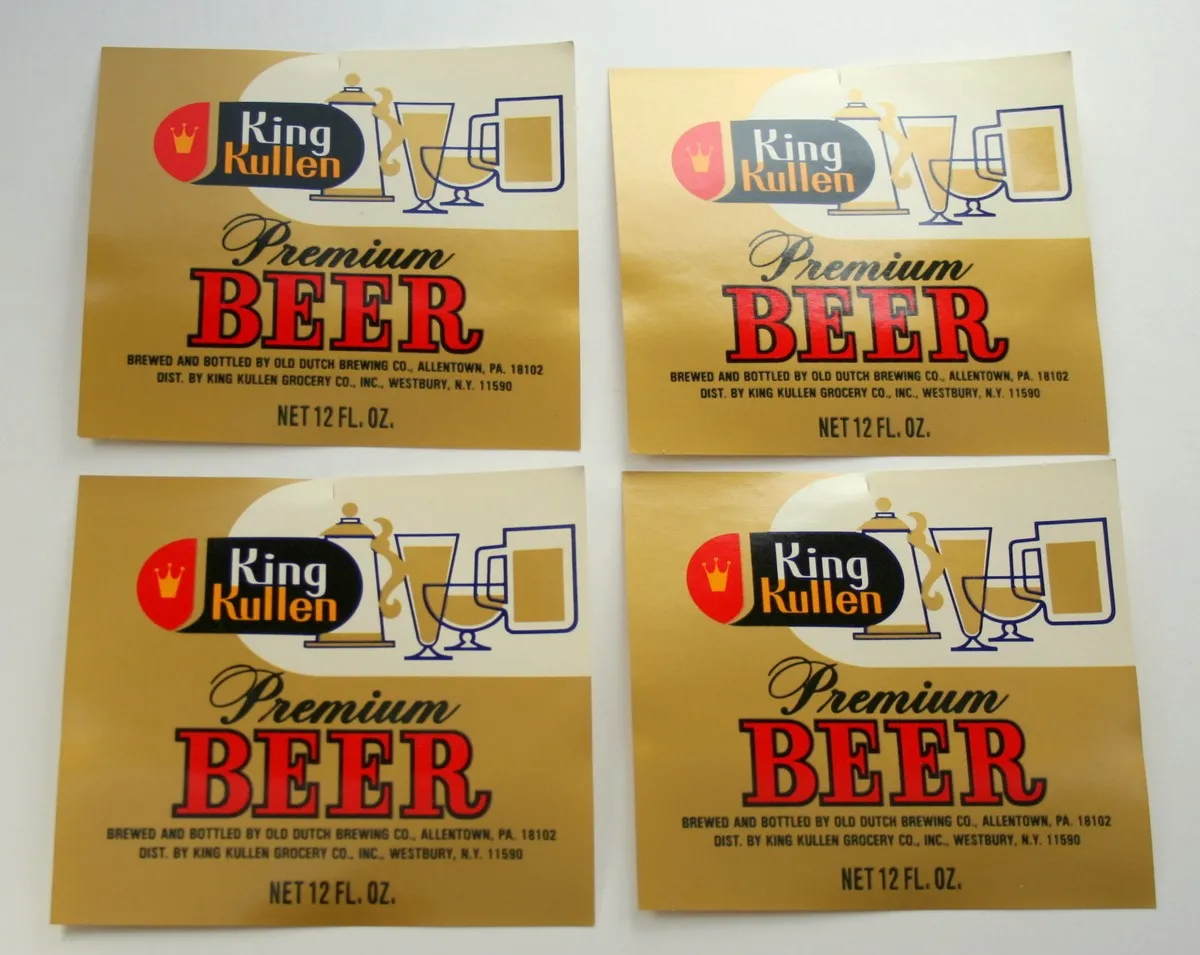 Photo: King Kullen, via i.ebayimg.com
The results were immediate and stunning. Lines formed around the block. Families drove from neighboring boroughs just to experience this new way of shopping. Cullen's first store did more business in its opening week than most traditional groceries did in a month.
What Cullen had discovered wasn't just a new store format—it was a new relationship between retailers and customers. Instead of asking customers to pay premium prices for the convenience of personal service, he offered them the freedom to choose their own products at prices that actually fit their budgets.
The Model That Ate America
Within three years, Cullen had opened fifteen King Kullen stores across New York. Other retailers, initially dismissive, started paying attention. Then they started copying.
The supermarket model spread like wildfire across America. Safeway, A&P, and dozens of other chains scrambled to build their own versions of what Cullen had created in that Queens garage. The man who couldn't get his bosses to read a memo had accidentally triggered the largest transformation in American retail history.
But here's the twist that makes Cullen's story particularly American: he died in 1936, just six years after opening his first store, long before he could see the full impact of his innovation. The supermarket revolution was just getting started.
The Invisible Revolution
Today, the average American visits a supermarket 1.6 times per week. We spend over $800 billion annually in stores that follow the basic template Cullen sketched out in that rejected memo. Every Walmart, every Target, every Costco traces its DNA back to a frustrated grocery clerk who couldn't convince his bosses that customers wanted something different.
Yet Cullen's name appears on virtually no industry walls of fame. Business schools teach case studies about Sam Walton and Ray Kroc, but rarely mention the man who invented the format they perfected. It's a peculiarly American story: the forgotten pioneer whose idea was so successful it became invisible, absorbed so completely into our daily lives that we can't imagine shopping any other way.
The Lesson in the Aisles
Walk through any supermarket today and you're walking through Michael Cullen's vision made real. The wide aisles, the self-service model, the massive selection, the competitive pricing—it's all there in that original memo his bosses never bothered to read.
Cullen's story reminds us that sometimes the most revolutionary ideas come from the people closest to the problem. He wasn't a Harvard MBA or a retail consultant. He was a middle-aged clerk who paid attention to what customers actually needed rather than what industry executives thought they wanted.
In a country built on the promise that good ideas can come from anywhere, Michael Cullen proved that sometimes the best place to find the future is in the forgotten memos of the people who stock the shelves.