Clocking In, Changing Everything: The Day Jobs That Accidentally Built America
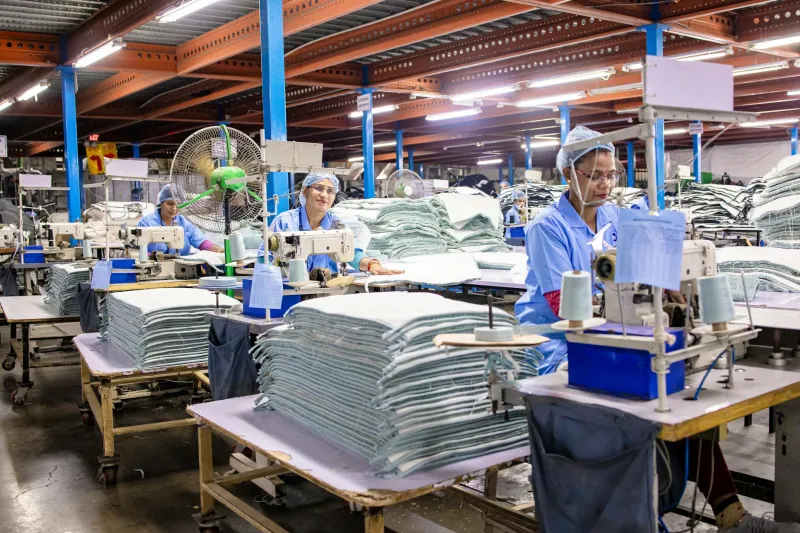
When Genius Punches a Time Clock
The greatest American inventions didn't emerge from gleaming research labs or prestigious universities. They came from loading docks, night shifts, and lunch breaks—created by people whose official job descriptions never mentioned "world-changing innovation." These inventors didn't have teams of researchers or million-dollar budgets. They had problems to solve, time to think, and the kind of practical knowledge that only comes from working with your hands.
1. The Janitor Who Lit Up America
Lewis Latimer spent his days mopping floors and emptying trash cans at a Boston law firm. But while everyone else went home after work, Latimer stayed behind to tinker with the office's mechanical drawing equipment. The son of escaped slaves, he had no formal engineering training—just an insatiable curiosity about how things worked.
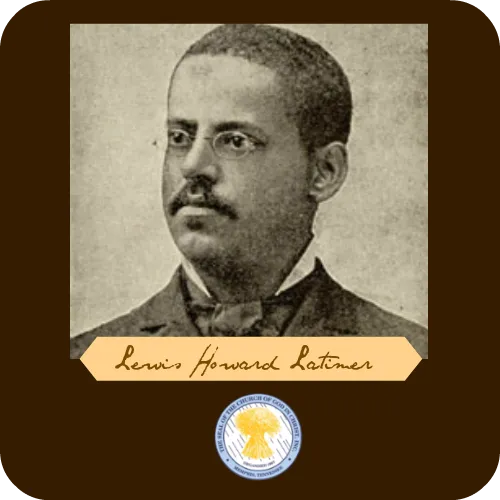 Photo: Lewis Latimer, via www.cogic.org
Latimer taught himself mechanical drawing by watching the lawyers' draftsmen during the day, then practicing their techniques at night with borrowed tools. His breakthrough came when he figured out how to create carbon filaments for light bulbs that lasted much longer than Edison's original bamboo versions. That janitor's innovation made electric lighting practical for everyday Americans, not just the wealthy few who could afford to constantly replace burnt-out bulbs.
2. The Farmhand Who Fed the World
George Washington Carver was picking cotton and tending crops when he started wondering why Southern soil was becoming so depleted. As a sharecropper's son working other people's land, Carver saw firsthand how single-crop farming was destroying the agricultural foundation of the South.
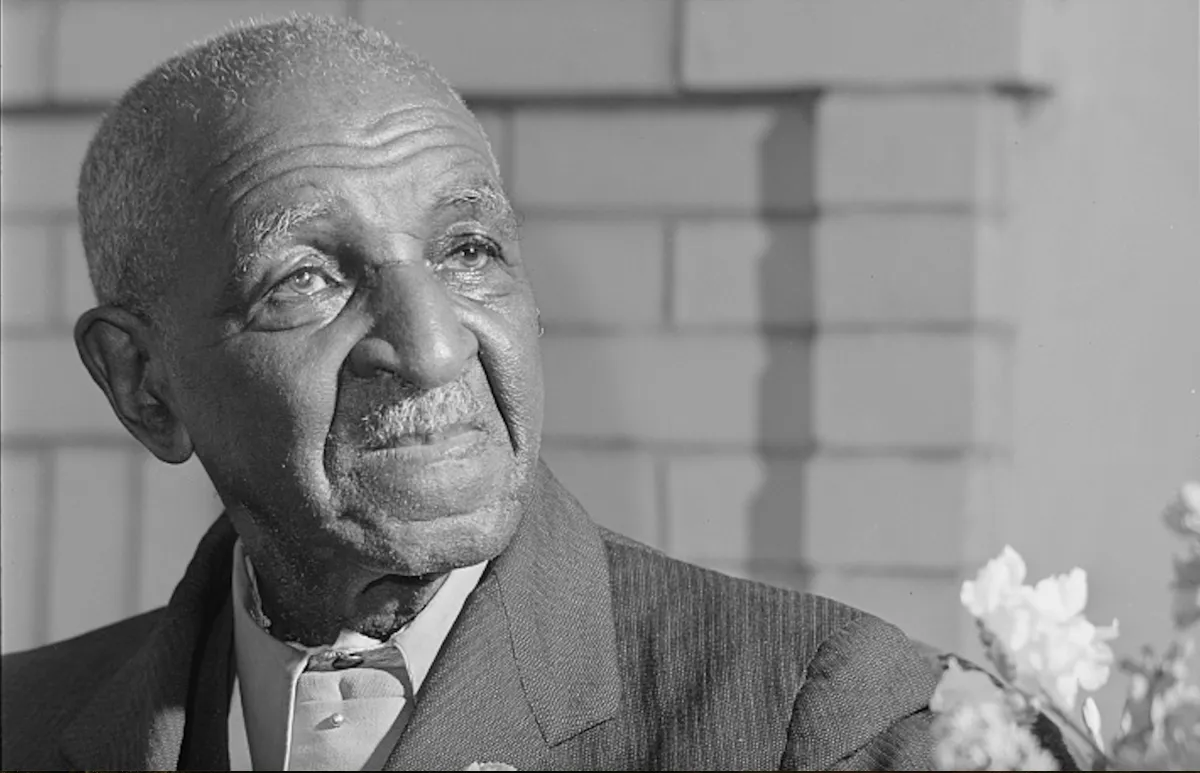 Photo: George Washington Carver, via www.socialstudies.com
With no formal agricultural training, Carver began experimenting with crop rotation using plants that most farmers considered weeds—especially peanuts and sweet potatoes. His innovations didn't just save Southern agriculture; they revolutionized it. Carver developed over 300 uses for peanuts alone, turning what had been considered animal feed into everything from cosmetics to building materials. A man who started his career following a plow ended up teaching at Tuskegee Institute and advising presidents.
3. The Librarian Who Organized the World
Melvil Dewey was shelving books at Amherst College when he realized that finding information in libraries was nearly impossible. Books were organized by size, color, or when they arrived—anything except what they were actually about. For someone whose job involved helping people locate specific texts, this chaos was a daily nightmare.
Working evenings and weekends, Dewey developed a numerical classification system that organized all human knowledge into ten main categories, with infinite subdivisions possible. The Dewey Decimal System didn't just organize libraries—it organized how Americans thought about information itself. Today, from Google searches to database management, we still use organizational principles that a frustrated librarian developed during his off-hours.
4. The Telegraph Operator Who Captured Sound
Thomas Edison was working the night shift as a telegraph operator in Cincinnati when he started wondering if sound could be captured and replayed the same way telegraph messages could be transmitted and received. During the long, quiet hours between messages, Edison experimented with ways to record the vibrations that created sound.
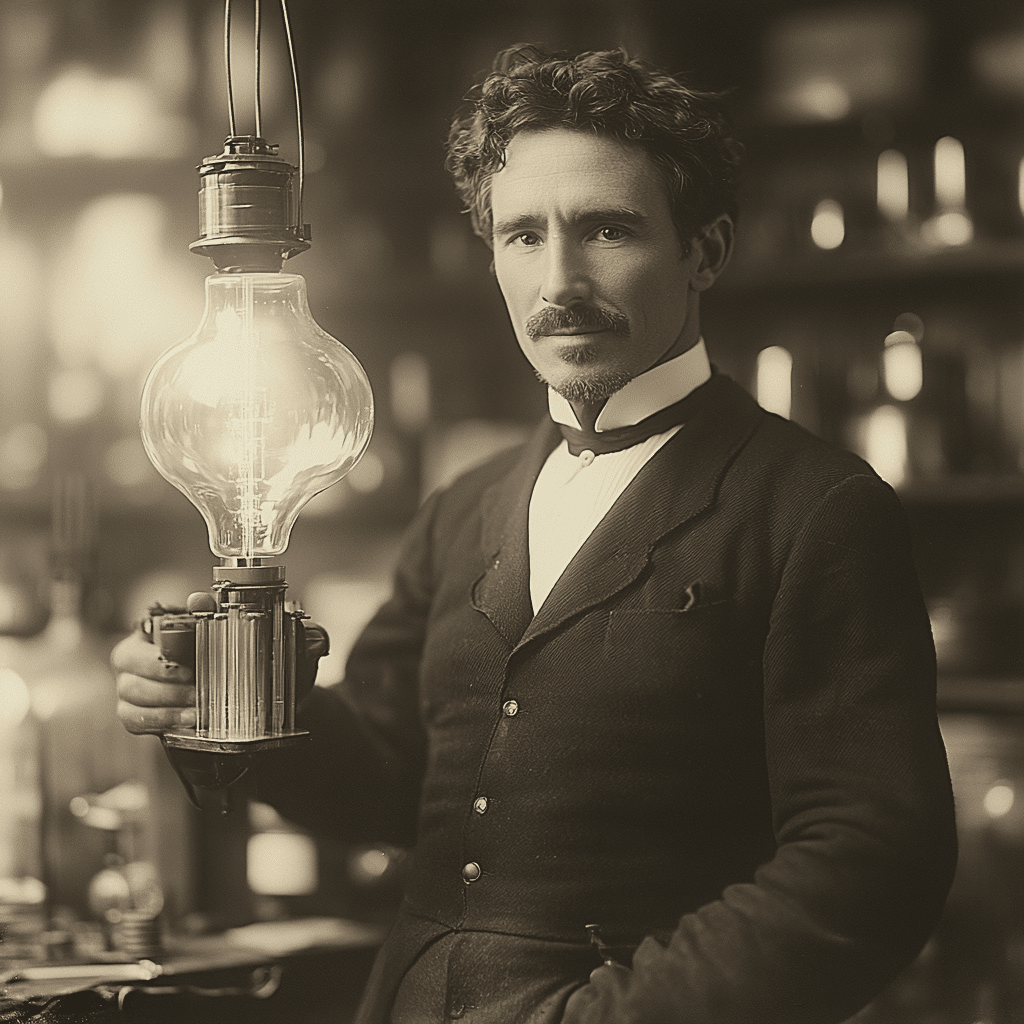 Photo: Thomas Edison, via www.loadeddicefilms.com
His telegraph training had taught him how electrical signals could preserve and transmit information across distances. Edison applied this knowledge to sound waves, eventually creating the phonograph—the first device that could record and play back human speech and music. The invention that launched the entire recorded music industry came from a night-shift worker who was supposed to be monitoring telegraph lines.
5. The Railroad Worker Who Revolutionized Time
Sandford Fleming was a surveyor for the Canadian Pacific Railway, spending his days mapping routes and calculating distances. But Fleming noticed something that was driving railway scheduling into chaos: every town kept its own local time, making it nearly impossible to coordinate train schedules across long distances.
Drawing on his practical experience with the problems this created—missed connections, accidents, freight delays—Fleming proposed something radical: dividing the world into standardized time zones. His idea seemed absurd to most people; why should someone in New York care what time it was in Chicago? But Fleming's system solved real problems for real people, and by 1883, American railroads had adopted standard time zones. A surveyor's practical solution became the global system we still use today.
6. The Factory Worker Who Made Food Safe
Clarence Birdseye was working in a fish-packing plant in Massachusetts when he noticed something interesting about the frozen fish that came from Arctic expeditions. Unlike the mushy, unappetizing frozen food that most Americans knew, these fish tasted fresh when thawed and cooked.
Birdseye realized that the key was speed—the Arctic fish froze so quickly that ice crystals didn't have time to damage the food's cellular structure. Working in his spare time with equipment he built himself, Birdseye developed a flash-freezing process that preserved food's taste and nutritional value. His innovation created the entire frozen food industry and changed how Americans eat.
7. The Seamstress Who Strengthened America
Betsy Ross wasn't just sewing flags—she was solving engineering problems. As a professional seamstress in Philadelphia, Ross understood fabric stress, durability, and construction techniques better than most of the men designing military equipment.
When the Continental Congress asked her to create a flag for the new nation, Ross didn't just follow their design. She suggested practical improvements: a five-pointed star instead of six-pointed ones (easier to cut and sew), and specific fabric choices that would withstand weather and battle conditions. Her modifications weren't just aesthetic—they were engineering solutions that ensured the flag could actually function as intended.
The Real Innovation Engine
These inventors succeeded because their day jobs gave them something that formal research often lacks: direct contact with real problems that needed solving. They weren't trying to impress academic peers or secure research grants. They were trying to make their own work easier, their own lives better.
Their stories remind us that innovation doesn't require permission or credentials—it requires curiosity, persistence, and the willingness to see problems as opportunities. In America, the most transformative ideas have always come from people who were supposed to be doing something else entirely.