When Wrong Turns Right: The Accidental Inventions That Built Modern America

The Beautiful Art of Being Wrong
American innovation has a dirty little secret: some of our most transformative inventions happened by complete accident. While we celebrate the myth of the lone genius pursuing a singular vision, the reality is often messier, funnier, and far more human. Sometimes the greatest breakthroughs come not from getting it right, but from being spectacularly wrong about what you thought you were doing.
Here are seven accidental American inventions that prove failure might be the most underrated ingredient in success.
1. The Microwave: From Radar to Reheated Pizza
Percy Spencer was trying to improve radar technology for Raytheon in 1945 when he noticed something odd: the chocolate bar in his pocket had melted. Most engineers would have cursed the ruined candy and moved on. Spencer got curious.
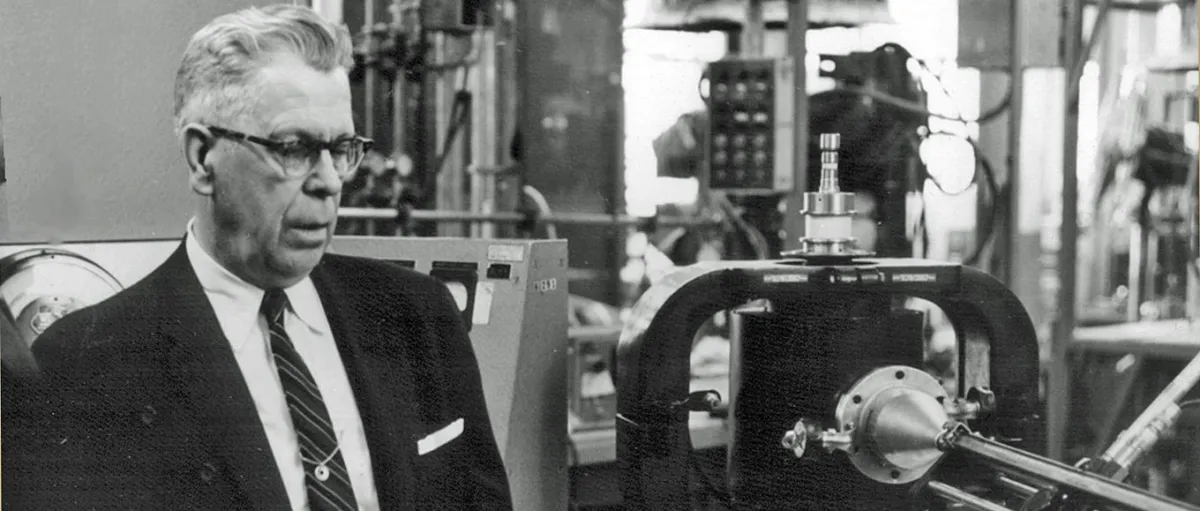 Photo: Percy Spencer, via www.massmoments.org
He started experimenting with the magnetron tubes he was developing for military radar. Popcorn kernels exploded. An egg burst. Spencer realized he'd stumbled onto something that could revolutionize cooking, not warfare.
The first commercial microwave oven weighed 750 pounds and cost $5,000. Nobody thought Americans would want to cook with radar technology. Today, 90% of American homes have a microwave, and Spencer's accidental discovery reheated last night's takeout in kitchens across the country just this morning.
2. Safety Glass: A Clumsy Chemist's Gift to Every Car
Édouard Bénédictus was a French chemist working in his lab in 1903 when he knocked over a glass flask. Instead of shattering into dangerous shards, the glass cracked but held together. Bénédictus had accidentally created laminated safety glass.
But it was American automaker Henry Ford who saw the potential. Early car windshields were made of regular glass that turned into flying daggers during accidents. Ford began using Bénédictus's safety glass in Model T windshields, making cars dramatically safer and enabling the automobile revolution that would reshape American life.
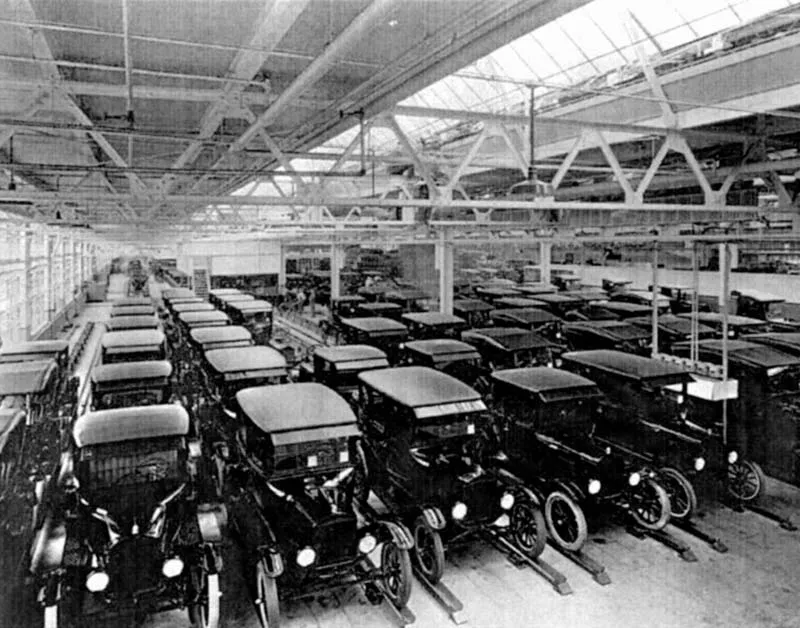 Photo: Henry Ford, via henryfordassemblylinebyrobert.weebly.com
A clumsy moment in a Paris lab became standard equipment in every American car, truck, and bus.
3. Post-it Notes: The Adhesive That Wouldn't Stick
Spencer Silver was trying to create the strongest adhesive ever developed for 3M in 1968. Instead, he created the weakest — a glue that barely stuck and could be easily removed. For five years, nobody knew what to do with Silver's "failed" invention.
Then Art Fry, a 3M colleague, got frustrated with bookmarks falling out of his church hymnal. He remembered Silver's weak adhesive and realized it was perfect for removable bookmarks. Post-it Notes were born from a adhesive that was too weak to do its job properly.
Today, Americans stick Post-it Notes on everything from computer monitors to refrigerators. Silver's "failure" became one of 3M's most successful products.
4. Velcro: Nature's Design, Human Accident
George de Mestral wasn't trying to invent anything in 1941 — he was just annoyed. After a hunting trip in the Swiss Alps, his dog was covered in burrs that were nearly impossible to remove. Most people would have cursed and started picking.
De Mestral got out a microscope.
He discovered that burrs had tiny hooks that grabbed onto fabric loops. After eight years of development, he created Velcro — a fastening system inspired by an accidental encounter with annoying plant seeds.
NASA adopted Velcro for space missions. American shoe companies used it for kids' sneakers. A moment of frustration with plant burrs became a billion-dollar industry.
5. Silly Putty: The Rubber Substitute That Wouldn't Work
During World War II, American engineers desperately needed synthetic rubber. James Wright at General Electric was experimenting with silicon compounds in 1943 when he created something strange: a substance that bounced, stretched, and copied newspaper print.
It was useless as rubber. It couldn't hold up under stress. It had no practical applications whatsoever.
But it was incredibly fun.
Marketing consultant Peter Hodgson saw potential in Wright's "failed" rubber substitute. He packaged it as a toy, called it Silly Putty, and sold it in plastic eggs. Americans bought millions of units of the substance that was too weird to be useful and too entertaining to ignore.
6. Coca-Cola: The Headache Medicine That Became a Global Empire
Dr. John Stith Pemberton was trying to create a medicinal syrup for headaches in 1886 Atlanta. His coca-wine formula was supposed to cure everything from anxiety to impotence. When Atlanta went dry and banned alcohol, Pemberton had to reformulate.
His assistant accidentally mixed the syrup with carbonated water instead of still water. The result was a fizzy drink that tasted nothing like medicine but everything like refreshment.
Pemberton's failed headache cure became the world's most recognizable brand. Americans consume 1.9 billion servings of Coca-Cola products daily, all because a pharmacist's medicine formula went deliciously wrong.
7. Penicillin: The Contaminated Culture That Saved Millions
Alexander Fleming was studying bacteria in his London lab in 1928 when he made a mistake: he left a culture plate uncovered. Mold contaminated his experiment, ruining weeks of work.
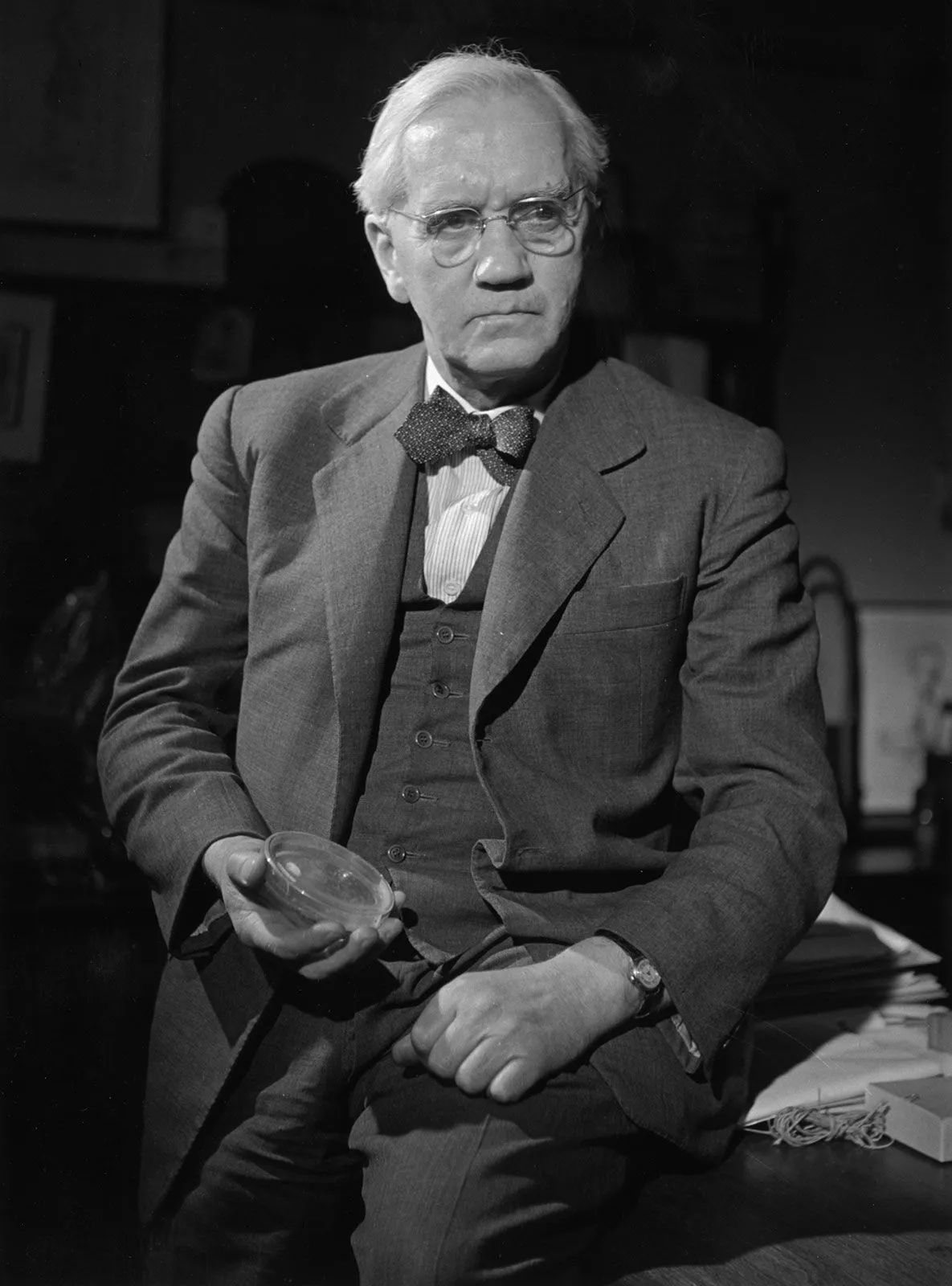 Photo: Alexander Fleming, via cdn.britannica.com
Most scientists would have thrown out the contaminated plate and started over. Fleming noticed something interesting: the bacteria around the mold had died.
His "ruined" experiment became penicillin, the first antibiotic. American pharmaceutical companies mass-produced Fleming's accidental discovery during World War II, saving countless lives and launching the modern era of medicine.
The Accidental Advantage
These stories share a common thread: brilliant people who were humble enough to pay attention when their original plans fell apart. They didn't let failure blind them to unexpected opportunities. Instead, they got curious about their mistakes.
In a culture obsessed with having the right plan and executing it perfectly, these accidental innovations remind us that some of the best discoveries come from being open to surprise. Sometimes the most important question isn't "How do I make this work?" but "What is this trying to tell me?"
The next time your carefully laid plans go sideways, remember Percy Spencer's melted chocolate bar and Art Fry's falling bookmarks. Your biggest failure might be disguising your greatest breakthrough.
After all, if American innovation has taught us anything, it's that being wrong about what you're doing might be the most right thing that ever happens to you.